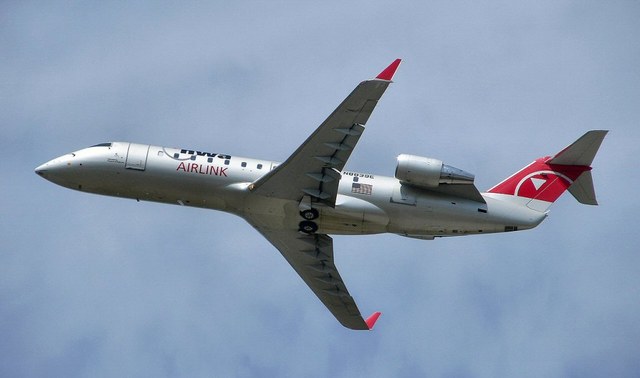
| 2144:44 | | START OF RECORDING START OF TRANSCRIPT |
| 2144:48 | CAM | [unintelligible conversation] |
| 2145:16 | CAM-? | *** you got that man. |
| 2145:49 | CAM-1 | we're riding the green # line there. |
| 2145:51 | CAM-2 | [sound of laughing] # dude. |
| 2146:09 | CAM-1 | * Alpha two. |
| 2146:12 | CAM-2 | is that where we're going? |
| 2146:13 | CAM-1 | yeah. |
| 2146:16 | CAM-1 | (where/what) the # is this. |
| 2146:22 | CAM-2 | is ahh. |
| 2146:27 | CAM-2 | [sound of laughing] look at the # fuel flow man. |
| 2146:30 | CAM-1 | ah # dude they're both almost a thou- almost under a thousand and (flying/in climb) that's # unreal. |
| 2146:31 | CAM-2 | [sound of laughing] |
| 2146:36 | CAM-1 | # dude. |
| 2146:37 | CAM-2 | dude I've seen this thing eat up like four thousand pounds an hour. |
| 2146:39 | CAM-1 | I know (it). |
| 2146:40 | CAM-2 | [sound of laughing] |
| 2146:42 | CAM-1 | ooh. look at that. |
| 2146:44 | CAM-1 | under two thousand # **… in a climb. |
| 2146:49 | CAM-2 | that # crazy. |
| 2146:57 | CAM-1 | anyway the green line is one point two V-S one so we still have you know * stall **… |
| 2147:00 | CAM-2 | I think what you have * one point two seven isn't it? |
| 2147:01 | CAM-1 | …yeah one two seven right yeah. |
| 2147:06 | CAM-? | *. |
| 2147:08 | CAM-2 | couple of knots. |
| 2147:12 | CAM-1 | the red line's where it can stall so. |
| 2147:15 | CAM-2 | three nine oh. |
| 2147:47 | CAM | [sound of thumps] |
| 2147:49 | CAM | [sound of thump] |
| 2147:52 | CAM-1 | doesn't look much different though. |
| 2147:53 | CAM | [sound of laughing] |
| 2147:55 | CAM-1 | still pretty cool. |
| 2147:58 | CAM-2 | yeah I'd have to say that yeah. |
| 2148:00 | CAM-1 | ***. |
| 2148:05 | CAM | [sound of clunks] |
| 2148:44 | CAM-2 | man we can do it. forty one it. |
| 2148:46 | CAM-? | * baby. |
| 2148:54 | CAM-? | **. |
| 2148:57 | CAM-2 | hundred and eighty knots still cruising at mach point six four. |
| 2148:59 | CAM-1 | I know dude. |
| 2149:00 | CAM-2 | [sound of laughing] |
| 2149:04 | CAM-? | minute **. two minutes to go. |
| 2149:07 | CAM-1 | forty thousand baby. |
| 2149:09 | CAM-2 | come on. |
| 2149:24 | CAM-1 | look at that cabin altitude man. |
| 2149:25 | CAM-2 | [sound of laughing] |
| 2149:26 | CAM | [sound of tone, similar to altitude alert] |
| 2149:27 | CAM-1 | thousand to go. |
| 2149:28 | CAM-1 | should be at eight thousand feet moving… slowly (going up). |
| 2149:30 | CTR-A | Flagship thirty seven zero one would you like to go direct KASPR. |
| 2149:30 | CAM-2 | [sound of laughing] |
| 2149:33 | CAM-1 | sure. |
| 2149:34 | CAM-2 | * might as well. |
| 2149:36 | RDO-2 | yeah that'll be great thirty seven zero one direct KASPR. |
| 2149:39 | CTR-A | all right cleared direct KASPR ah Flagship thirty seven zero one. |
| 2149:44 | RDO-2 | thank you sir appreciate that thirty seven zero one going direct KASPR you saved us two minutes. |
| 2149:48 | CAM-1 | [sound of laughing] |
| 2149:51 | CAM | [sound of click] |
| 2150:04 | CAM-2 | [sound of laughing] |
| 2150:04 | CAM-1 | that # (crazy/funny). |
| 2150:05 | CAM-2 | [sound of laughing] |
| 2150:09 | CAM-? | **. |
| 2150:28 | CAM-2 | aw yeah. |
| 2150:30 | CAM-? | [sound of whistling] |
| 2150:43 | CAM | [sound similar to paper rustling] |
| 2150:59 | CAM | [sound similar to paper rustling] |
| 2151:01 | CAM-1 | I'm saying don't let it get below one seventy eh we're leveling off here anyways so. |
| 2151:18 | CAM-2 | dang. [sound of laughing] our arrival fuel's supposed to be three point five. |
| 2151:24 | CAM-1 | * I can't believe that # man that's crazy. |
| 2151:26 | CAM-2 | [sound of laughing] |
| 2151:27 | CAM-1 | we've saved a ton of # fuel. |
| 2151:31 | CAM-2 | #. [sound of laughing] |
| 2151:32 | CAM-1 | that's what I mean. I'll leave the power up 'til we get… (to level off) ***. |
| 2151:39 | CAM-2 | we're at V-T. |
| 2151:41 | CAM-? | *. |
| 2151:49 | CAM-1 | take a while for the thing to get started up. |
| 2151:51 | CAM-2 | there's four one oh my man. |
| 2151:53 | CAM-2 | made it man… |
| 2151:54 | CAM-1 | yeah… |
| 2151:55 | CAM-2 | …(five thousand) (feet/complete)… |
| 2151:56 | CAM-1 | …(five/nine) thousand feet per minute. |
| 2151:56 | CAM-2 | …(you) can see [sound of laughing] |
| 2151:58 | CTR-A | Flagship thirty seven zero one contact Kansas City one two five point six seven. |
| 2152:02 | RDO-1 | twenty five sixty seven you have a good night thirty seven oh one. |
| 2152:04 | CAM-2 | [sound of laughing] this is * great. |
| 2152:09 | RDO-1 | Kansas City center good evening Flagship thirty seven zero one four one oh. |
| 2152:12 | CTR-B | Flagship thirty seven zero one Kansas City center roger. |
| 2152:12 | CAM-2 | [sound of laughing] |
| 2152:16 | CAM-1 | you'll get the you'll do the next one to say four one oh. * yeah baby. |
| 2152:18 | CAM | [sound of clunk] |
| 2152:18 | CAM-2 | [sound of laughing] * four one oh # four one oh. |
| 2152:22 | CAM-1 | want anything to drink? |
| 2152:24 | CAM-2 | aw yeah actually I'll take a pepsi. |
| 2152:26 | CAM | [sound of clunks] |
| 2152:27 | CAM-1 | want anything? |
| 2152:28 | CAM-2 | hmm? |
| 2152:28 | CAM-1 | you do want? |
| 2152:29 | CAM-2 | a pepsi if you don't mind. |
| 2152:30 | CAM-1 | a pepsi? I thought you said a beer man. yeah I'd like one too **. |
| 2152:31 | CAM-2 | [sound of laughing] |
| 2152:35 | CAM-2 | is that seal on the liquor cabinet? [sound of laughing] |
| 2152:47 | CAM | [sound of click] |
| 2152:49 | CAM-? | ***. [lower volume] |
| 2153:01 | CAM | [sound of click] |
| 2153:07 | CAM | [sound of thump] |
| 2153:14 | CAM-2 | #. [sound of laughing] this is the greatest thing no way. [sound of laughing] |
| 2153:19 | CAM-1 | you want a can you want a cup we don't have any ice… |
| 2153:20 | CAM-2 | that's fine. |
| 2153:21 | CAM-1 | …they're cold as # dude. |
| 2153:23 | CAM-2 | (yeah that's cool). |
| 2153:24 | CAM-1 | accelerating up at all? |
| 2153:26 | CAM | [sound of click, similar to soda can opening] |
| 2153:27 | CAM-2 | [sound of laughing] no man… |
| 2153:28 | CAM-1 | nothing dude… |
| 2153:28 | CAM-2 | …it ain't speeding up worth #. |
| 2153:28 | CAM-1 | …look how high we are. |
| 2153:29 | CAM-2 | [sound of laughing] |
| 2153:30 | CAM-1 | this # nose is. look at how nose high we are. |
| 2153:32 | CAM-2 | I know that's #. dude the # ball's way off man. dude the ball's full off. |
| 2153:39 | CAM-1 | no #. look at this (ball/bug) dude. |
| 2153:40 | CAM-2 | it's ***. |
| 2153:42 | CAM | [sound of laughing] |
| 2153:42 | CTR-B | Flagship thirty seven zero one are you a RJ two hundred? |
| 2153:44 | CAM | [sound of clunks] |
| 2153:47 | RDO-1 | thirty seven zero one that's affirmative. |
| 2153:49 | CAM-2 | forty four hundred. |
| 2153:50 | CTR-B | I've never seen you guys up at forty one there. |
| 2153:51 | CAM-2 | [sound of laughing] |
| 2153:51 | RDO-1 | yeah we're actually a ah. there's ah. we don't we don't have any passengers on board so we decided to have a little fun and come on up here. |
| 2153:58 | CTR-B | I gotcha. |
| 2153:59 | RDO-1 | this is our actually our service ceiling. |
| 2154:05 | CAM-1 | # thing's losing it… |
| 2154:06 | CAM-2 | [sound of laughing] |
| 2154:07 | CAM-1 | …we're losing here. we're gonna be # coming down in a second here dude. |
| 2154:09 | CAM-2 | [sound of laughing] |
| 2154:10 | CAM-1 | this thing ain't gonna # hold altitude. is it? |
| 2154:16 | CAM-2 | it can't man. we # (cruised/greased) up here but it won't stay. |
| 2154:19 | CAM-1 | yeah that's funny we got up here it won't stay up here. |
| 2154:22 | CAM-2 | dude it's # losing it. [sound of laughing] |
| 2154:23 | CAM-1 | yeah. |
| 2154:29 | RDO-1 | and center thirty seven oh one. |
| 2154:31 | CTR-B | go ahead. |
| 2154:32 | RDO-1 | yeah just as you said it looks like we're not even going to be able to stay up here ah look for maybe ah three nine oh or three seven. |
| 2154:38 | CTR-B | Flagship thirty seven oh one stand by. |
| 2154:38 | CAM | [sound similar to stick shaker] |
| 2154:39 | CAM | [sound similar to auto pilot disconnect] |
| 2154:43 | CAM-2 | what'd he say? |
| 2154:44 | CAM-1 | I dunno. |
| 2154:45 | RDO-1 | say again for thirty seven oh one. |
| 2154:47 | CAM | [sound similar to stick shaker] |
| 2154:48 | CAM | [sound of warbler, similar to stick pusher warning] |
| 2154:49 | CAM-1 | #. |
| 2154:51 | CAM-2 | I got it. |
| 2154:52 | CAM | [sound similar to stick shaker] |
| 2154:52 | CAM | [sound of warbler, similar to stick pusher warning] |
| 2154:53 | CTR-B | and Flagship thirty seven zero one. I was off frequency say again? |
| 2154:53 | CAM | [sound of tone, similar to altitude alert] |
| 2154:55 | CAM | [sound of triple chime, similar to master warning alert] |
| 2154:56 | CAM | [sound similar to stick shaker] |
| 2154:56 | CAM | [sound of warbler, similar to stick pusher warning] |
| 2154:56 | CAM-1 | #. |
| 2154:57 | CAS | engine oil. |
| 2154:59 | CAM-1 | #. |
| 2154:59 | CAS | engine oil. |
| 2155:00 | CAM | [sound of warbler, similar to stick pusher warning, continues for nine seconds] |
| 2155:00 | CAM | [sound of increased background noise] |
| 2155:01 | CAS | engine oil. |
| 2155:01 | CAM-1 | come on. come on. |
| 2155:03 | CAS | engine oil. |
| 2155:02 | CAM | [sound of unidentified chirps] |
| 2155:04 | CTR-B | Flagship thirty seven zero one say. |
| 2155:05 | CAM | [sound of chime, similar to master caution alert] |
| 2155:06 | RDO-1 | declaring emergency. stand by. |
| 2155:07 | CAM | [sound of tone, similar to altitude alert] |
| 2155:08 | CAM-1 | aw #. |
| 2155:09 | CAM | [sound of triple chime, similar to master warning alert] |
| 2155:11 | CAM | [sound of warbler, similar to stick pusher warning] |
| 2155:11 | CAS | engine oil. |
| 2155:12 | CAM | [sound similar to decreasing engine RPM] |
| 2155:12 | CTR-B | Flagship thirty seven zero one… |
| 2155:13 | CAS | engine oil. |
| 2155:14 | CTR-B | …descend at pilot's discretion maintain… |
| 2155:15 | CAS | engine oil. |
| 2155:15 | CTR-B | …flight level two four zero. |
| 2155:17 | CAM | [sound of warbler, similar to stick pusher warning] |
| 2155:17 | CAS | engine oil. |
| 2155:19 | CAS | engine oil. |
| 2155:19 | CAM-1 | two four zero flight two four zero. |
| 2155:21 | CAS | engine oil. |
| 2155:22 | CAM-1 | the important thing is. |
| 2155:23 | CAS | engine oil. |
| 2155:23 | CAM-? | we don't have any engines. |
| 2155:24 | CAS | engine oil. |
| 2155:25 | INT | [channel one, sound of two unidentified beeps] |
| 2155:25 | CAM | [sound of increased background noise, similar to air driven generator deployment] |
| 2155:26 | CAM | [sound of clunk] |
| 2155:26 | CAM-1 | #. |
| 2155:26 | CAS | engine oil. |
| 2155:28 | CAM | [sound of increased background noise, similar to air driven generator operation] |
| 2155:29 | CAS | engine oil. |
| 2155:29 | CAM-1 | A-D-G. |
| 2155:30 | CAS | engine oil. |
| 2155:31 | CAM-1 | pull. pull the handle. |
| 2155:32 | CAS | engine oil. |
| 2155:32 | CTR-B | everybody standby. Flagship thirty seven zero one the frequency's open. |
| 2155:34 | CAS | engine oil. |
| 2155:38 | CAM-1 | #. |
| 2155:38 | CAM-2 | * (got deploy/plane). (we got deployment). |
| 2155:39 | CAM-1 | got the airplane? |
| 2155:39 | CAM | [sound of chime, similar to master caution alert] |
| 2155:40 | RDO-1 | stand by for thirty seven oh one. |
| 2155:44 | CAM-? | got the A-D-G? |
| 2155:46 | CAM-? | got the A-D-G. |
| 2155:53 | CAM | [sound of clunks] |
| 2155:57 | CAM-1 | you gotta be kidding me. |
| 2155:58 | CAM | [sound of clunk] |
| 2156:00 | CAM-2 | all right ahh… (stand by for)/(map light and) dome. |
| 2156:05 | CAM | [sound of click] |
| 2156:05 | CAM | [sound of chime, similar to passenger seat belt/no smoking sign] |
| 2156:07 | CAM-? | #. |
| 2156:07 | CAM-1 | we're still descending aren't we? are we holding altitude? |
| 2156:10 | CAM-2 | ahh yeah we got it. |
| 2156:11 | CAM-1 | okay. |
| 2156:12 | CAM-2 | we've got a little bit of engine (windmill) in one of them. |
| 2156:14 | CAM-1 | (really)? okay we gotta go to emergency *. |
| 2156:17 | CAM-2 | we're not holding alt- altitude. |
| 2156:18 | CAM-1 | we're not? |
| 2156:19 | CAM-2 | no we're not. |
| 2156:19 | CAM-1 | okay. ahh flashlights. # (dude). |
| 2156:24 | CAM-2 | flashlight's in my bag… my bag. |
| 2156:26 | CAM-1 | there's bags all…** look back here. |
| 2156:30 | CAM | [sound of clunk] |
| 2156:33 | CAM-1 | double engine failure… you holding altitude? |
| 2156:39 | CAM-2 | ahh no I'm not. |
| 2156:42 | CAM-1 | okay. continuous ignition on. |
| 2156:45 | CAM-1 | thrust levers shut off. restart(ed)? shut off. |
| 2156:52 | CAM-1 | A-D-G power's established. how do you know A-D-G power is established? |
| 2156:56 | CAM-2 | see select A-C A-D-G. |
| 2156:59 | CAM-1 | okay then we're gonna' pull. and then you're gonna try stab two trim engage. |
| 2157:02 | CAM | [sound of triple chime, similar to master warning alert] |
| 2157:04 | CAS | cabin pressure. |
| 2157:06 | CAM-1 | stab trim channel two. |
| 2157:07 | CAS | cabin pressure. |
| 2157:08 | CAM-1 | engaged. |
| 2157:09 | CAS | cabin pressure. |
| 2157:09 | CAM-1 | target airspeed established above flight level three four oh. |
| 2157:11 | CAS | cabin pressure. |
| 2157:12 | CAM-1 | we're below. |
| 2157:13 | CAS | cabin pressure. |
| 2157:13 | CAM-1 | point seven Mach. |
| 2157:14 | CAM | [sound of tone, similar to gear warning horn, continues until 2200:43] |
| 2157:17 | CAM-1 | so look for point seven Mach. a hundred eighty. |
| 2157:18 | CAM-1 | A-D-G. below thirty thousand feet. okay descend below thirty thousand feet. |
| 2157:26 | CAM | [sound similar to page turning] |
| 2157:29 | CAM-? | okay ***. |
| 2157:36 | CAM-1 | # dude. |
| 2157:46 | CAM-2 | * # gear's unsafe ***. |
| 2157:52 | CAM-1 | I'll worry about that later. |
| 2157:54 | CAM-? | is the gear down or *** unsafe? |
| 2157:58 | CAM-1 | okay go go descend still. |
| 2158:00 | CAM-? | all right. |
| 2158:03 | CAM-1 | you got a question on (why/what) *. |
| 2158:07 | CAM | [sound of clunk] |
| 2158:09 | CAM-2 | that was a dutch roll I believe. |
| 2158:12 | CAM-1 | *** it was pulling and pushing… |
| 2158:13 | CAM-2 | sure. |
| 2158:13 | CAM-1 | …see the plane start to roll on us. |
| 2158:15 | CAM-2 | we were descending at two thousand feet per minute. |
| 2158:21 | CAM-2 | we need our oxygen masks. |
| 2158:23 | CAM-1 | okay as soon as we're abov- below thirty thousand we can start the A-P-U. |
| 2158:30 | CAM-? | there you go. |
| 2158:34 | CAM | [sound of click] |
| 2158:35 | CAM | [sound of chime, similar to master caution alert] |
| 2158:37 | CAM-2 | go on oxygen? |
| 2158:39 | CAM-1 | you know what. yeah we need to go on oxygen. |
| 2158:41 | CAM | [sound similar to oxygen flow starting in oxygen mask] |
| 2158:52 | CAM-? | A-P-U. |
| 2158:52 | CAM | [sound of chime, similar to master caution alert] |
| 2159:17 | CAM | [sound similar to increased frequency of background noise from air driven generator] |
| 2159:19 | CAM | [sound of chime, similar to master caution alert] |
| 2159:21 | CAM | [sound similar to oxygen flow in oxygen mask] |
| 2159:23 | CAM | [sound of clicks] |
| 2159:24 | CAM-1 | okay we have power. |
| 2159:25 | CAM | [sound of clicks] |
| 2159:33 | CAM-1 | stow it away. |
| 2159:37 | CAM | [sound of clicks] |
| 2159:44 | CAM | [sound of chime, similar to master caution alert] |
| 2159:46 | CAM | [sound of chime, similar to master caution alert] |
| 2159:46 | RDO-1 | and center Flagship thirty seven oh one. |
| 2159:48 | CTR-B | Flagship thirty seven oh one go American seven fifty one standby. |
| 2159:51 | RDO-1 | yeah we're still descending we're gonna need to descend down ah probably lower probably gonna descend down to right now to about thirteen thousand feet is that okay? |
| 2159:58 | CTR-B | Flagship thirty seven oh one affirmative descend and maintain one three thousand your local altimeter setting is ah… oh stand by. |
| 2200:07 | CTR-B | two niner six five and ah one three thousand is approved Flagship thirty seven zero one. |
| 2200:12 | RDO-1 | all right two nine six five thirty seven zero one. |
| 2200:17 | CAM-1 | two nine six five your side. |
| 2200:19 | CAM-1 | ahh no no no. |
| 2200:22 | CAM-2 | no no no what do you got… oh heading. |
| 2200:25 | CAM-1 | yeah. |
| 2200:25 | CAM-2 | see what you got. |
| 2200:27 | CAM-1 | yeah yeah it's two nine six five on altimeter setting. |
| 2200:27 | CAM-2 | okay. |
| 2200:28 | CAM-1 | when we come through. |
| 2200:30 | CAM | [sound similar to page turning] |
| 2200:31 | CAM-1 | we're gonna have to descend down to ah. |
| 2200:33 | CAM | [sound similar to page turning] |
| 2200:34 | CAM-1 | thirteen thousand feet. |
| 2200:35 | CAM | [sound similar to page turning] |
| 2200:38 | CAM-1 | th- thirteen okay actually push the nose over. push it over. let's get above three hundred knots. |
| 2200:43 | CAM | [sound of tone, similar to gear warning horn ceases] |
| 2200:46 | CAM-2 | okay. |
| 2200:47 | CAM-1 | twenty one thousand feet. we need we need… ** check our airspeed and altitude. |
| 2200:48 | CAM-? | three hundred. |
| 2200:57 | CTR-B | and Flagship ah thirty seven zero one are you able to take a frequency change at this point? |
| 2201:01 | RDO-1 | ah thirty seven oh one stand by. |
| 2201:03 | CTR-B | roger. |
| 2201:05 | CAM-1 | I-T-T is ninety degrees Celsius or less. I-T-T is ninety degrees Celsius? no. 'kay it's getting to it. yeah its coming down now. |
| 2201:11 | CAM-? | ***. |
| 2201:31 | CAM-1 | I don't think we're gonna need that. |
| 2201:36 | CAM-1 | * ignition on… |
| 2201:38 | CAM-2 | yep. |
| 2201:39 | CAM-1 | …airspeed not less than three hundred knots. you wanna push it up there three hundred knots. altitude loss approximately can be expected from two hundred forty to three hundred knots. I-T-T ninety degrees or less. N two is at least twelve percent… N two… |
| 2201:51 | CAM-1 | …no we're not getting any N two at all. so we're gonna have to. gonna have to go to here. thirteen thousand feet we gotta go down here dude. we're going to use the A-P-U bleed air procedures. |
| 2202:00 | CAM | [sound of chime, similar to master caution alert] |
| 2202:04 | CAM-? | ***. |
| 2202:09 | CAM-? | oh #. |
| 2202:10 | CAM-1 | we need to slow it down. slow the rate of descent down. |
| 2202:14 | CAM-1 | ** target airspeed is established. target airspeed is a hundred ninety knots. hundred and seventy knots. go ahead and pull back to a hundred seventy knots. left and right tenth stage. tenth stage bleeds closed. left and right tenth stage bleeds closed. A-P-U load control valve open. continuous ignition. |
| 2202:31 | CAM | [sound of chime, similar to master caution alert] |
| 2202:34 | CAM-1 | no… keep us going down… oh you know what. actually we can't do that yet. |
| 2202:48 | CAM | [sound of clunks] |
| 2202:52 | CAM-? | ***. |
| 2202:58 | CAM-? | the gear? |
| 2202:59 | CAM | [sound of clunks] |
| 2203:00 | CAM | [sound of clunk] |
| 2203:00 | RDO-1 | and thirty seven oh one we can change frequency at this time. |
| 2203:06 | RDO-1 | center thirty seven oh one you there. |
| 2203:09 | CTR-B | Flagship thirty seven zero one ah roger I'll have a frequency change for you in just a moment. before I send you what was the nature of your emergency please? |
| 2203:15 | RDO-1 | ah we had an engine failure up there at altitude it at ah airplane ah went into a stall and one of our engine's failure… |
| 2203:22 | CAM | [sound of chime, similar to master caution alert] |
| 2203:22 | RDO-1 | …so we're gonna descend down now to start our other engine. |
| 2203:25 | CTR-B | okay that's kinda what we were figuring there and ah understand you're controlled flight and ah you're gonna be able to return to normal when you get to lower altitude. |
| 2203:30 | RDO-1 | ah right now we're not we're- stand by for that. we're descending down to thirteen thousand to start this other engine. we'll tell you. |
| 2203:35 | CTR-B | Flagship thirty seven zero one roger. understand controlled flight on a single engine right now and ah I'll go ahead and relay that. you can contact Kansas City center on one three four point five. just advise ah her of your intentions. one three four point five. good day. |
| 2203:50 | RDO-1 | thirty four five good day. |
| 2203:52 | RDO-1 | center Flagship thirty seven zero one's with you ah coming through eighteen thousand for thirteen. |
| 2203:59 | CTR-C | Flagship thirty seven zero one Kansas City center roger and advise of any further help you might need. |
| 2204:02 | RDO-1 | will do thirty seven oh one. |
| 2204:06 | CAM-1 | okay (don mask) get on oxygen. |
| 2204:09 | CAM | [sound similar to oxygen flow in oxygen mask] |
| 2204:13 | INT-1 | yeah get on oxygen dude. we're at cabin altitude. I got it. fifteen thousand four hundred. we need to be on oxygen. |
| 2204:26 | INT-1 | okay it's gonna be from thirteen thousand feet and below target airspeed established it's a hundred seventy knots. left and right tenth bleed will be closed. A-P-U open. continuous ignition check it's on. continuous ignition is on. left or right engine start. let's start number two first. * push. thrust lever at idle. * 'kay yeah th- these are off right now. |
| 2204:51 | INT-1 | got another thirteen- three thousand feet to go. |
| 2205:33 | INT-1 | as soon as we get a thousand you want a hundred and seventy knots like we. that's all we need. so we can pull it up a little bit and slow the rate of descent okay? you with me on this? you clear? you clear? all right we're gonna get this going. don't worry bro. all right? you okay? seriously? all right. |
| 2205:52 | INT-1 | there you go. |
| 2205:53 | INT | [channel three audio ceases through end of recording] |
| 2205:55 | INT-1 | okay fourteen thousand keep it coming down. don't wanna get too slow on airspeed. look for about a hundred and seventy. it's at least a hundred and seventy. that's your min. thirteen thousand feet okay. right left tenth visually closed. |
| 2206:13 | CAM | [sound of tone, similar to gear warning horn] |
| 2206:23 | CAM | [sound similar to oxygen mask removal] |
| 2206:26 | RDO-1 | and cent- center thirty seven oh one we're gonna need a little lower ah to start this other engine up so we're gonna go down to about twelve or eleven is that cool? |
| 2206:33 | CTR-C | Flagship thirty seven zero one affirmative ah descend and maintain ah you wanna go down to eleven or twelve? |
| 2206:38 | RDO-1 | ah we'll go down to at least eleven thousand thirty seven oh one. |
| 2206:40 | CTR-C | Flagship thirty seven zero one roger descend and maintain one one thousand and just advise you you want to go back to KASPR? do you want to land? what do you want to do? |
| 2206:48 | RDO-1 | ah just stand by right now we're gonna start this other engine and see make sure if everything's okay. |
| 2206:51 | CTR-C | okay. |
| 2206:53 | CAM-1 | back to KASPR? |
| 2206:54 | CTR-C | have a lot of choices up ahead Columbia's right up ahead. JEF's up ahead. and they're the best to accommodate you. |
| 2206:59 | RDO-1 | roger * thirty seven oh one thank you. |
| 2207:01 | CAM | [sound of clunk] |
| 2207:02 | CAM-1 | okay thirteen thousand feet. |
| 2207:04 | CAM-1 | it says… right left tenth stage closed. they're closed. (A- P-O's/A-P-U isolation's) valve's open. it's open. dude let's check ** ready to start. here goes number one. |
| 2207:17 | CAM-1 | start. time started. |
| 2207:20 | INT | [sound similar to oxygen flow in oxygen mask] |
| 2207:34 | INT-1 | #. |
| 2207:38 | INT-1 | let's stop it. |
| 2207:41 | INT-1 | it says. * right left tenth stage closed. A-P-U L-C valve's open. A-P-U valve's open. right or left tenth stage ah push. right or left engine start push. there goes number two. |
| 2207:59 | INT-1 | it's starting. right engine start. |
| 2208:04 | INT-1 | we're not getting any N two. |
| 2208:10 | INT-1 | aw #. |
| 2208:11 | INT | [sound similar to oxygen mask removal] |
| 2208:13 | CAM-1 | off oxygen. |
| 2208:15 | CAM | [sound similar to oxygen mask removal] |
| 2208:17 | CAM-1 | um. switch. |
| 2208:20 | CAM-2 | yeah *. |
| 2208:24 | CAM | [sound of clunks] |
| 2208:24 | CAM-1 | put it over there. |
| 2208:26 | CAM | [sound of clunks] |
| 2208:30 | CAM | [sound of chime, similar to master caution alert] |
| 2208:33 | CAM-2 | (start switch). |
| 2208:35 | CAM-1 | hold this. |
| 2208:38 | CAM-1 | it's still on. |
| 2208:43 | CAM-2 | you got it? |
| 2208:43 | CAM-1 | I got it. |
| 2208:46 | CAM-? | **. |
| 2208:49 | CAM-1 | go to that check pull that check list up. |
| 2208:52 | CAM-2 | okay. |
| 2208:53 | CAM-1 | tell her. |
| 2208:55 | CAM-1 | that's it. |
| 2209:00 | CTR-C | Flagship thirty seven zero one what altitude do you want to go down to? |
| 2209:02 | CAM-1 | tell her we need to get direct to airport neither engine's started right now. |
| 2209:07 | CAM | [sound of chime, similar to master caution alert] |
| 2209:06 | RDO-2 | thirty seven zero one we need direct to any airport. we have a double engine failure. |
| 2209:12 | CTR-C | all right you want to go direct to JEF? |
| 2209:14 | CAM-1 | any airport and closest airport. |
| 2209:15 | RDO-2 | closest air- air- airport. we're descending fifteen hundred feet per minute we have ah nine thousand five hundred feet left. |
| 2209:21 | CTR-C | Flagship thirty seven zero one cleared direct JEF. |
| 2209:23 | RDO-2 | what is the three letter identifier? |
| 2209:26 | CTR-C | J-E-F. |
| 2209:28 | RDO-2 | K-J-E-F. |
| 2209:32 | CAM-1 | okay let me see ** start *** both engines. |
| 2209:38 | CAM-1 | they're closed. tenth stage closed. A-P-U is on. |
| 2209:44 | CAM-1 | *** getting power. |
| 2209:46 | CAM-2 | no. |
| 2209:48 | CAM-1 | *. |
| 2209:49 | CAM-2 | * right there. |
| 2209:49 | CAM-1 | power override. |
| 2209:52 | CAM-1 | ** power. |
| 2209:52 | CAM-2 | okay. |
| 2209:54 | CAM-1 | let's try this. |
| 2209:56 | CAM-2 | # *. |
| 2210:00 | CAM-1 | (nah/dead). |
| 2210:05 | CAM-1 | **. this #. where do we have to go? |
| 2210:06 | CAM-2 | JEF. J-K-J-E-F. |
| 2210:08 | CAM-1 | *. |
| 2210:09 | CAM-2 | right in front of you fifteen miles. |
| 2210:10 | CAM | [sound of clicks] |
| 2210:11 | CAM-1 | seat belt on? |
| 2210:14 | CAM | [sound of clunks, similar to crew seat movement] |
| 2210:19 | CAM | [sound of clunks] |
| 2210:21 | CTR-C | Flagship thirty seven zero one descend at pilot's discretion maintain three thousand they're landing I-L-S runway three zero and… |
| 2210:30 | CAM-1 | get a frequency. gotta get a frequency. |
| 2210:28 | CTR-C | …the winds are two niner zero at six knots. |
| 2210:32 | CAM-? | # *. |
| 2210:36 | RDO-2 | I-L-S three zero. what is the frequency please. |
| 2210:40 | CTR-C | let me give you the frequency for Mizzou approach is one two four point one. |
| 2210:54 | RDO-2 | the approach frequency is one two four one or what is the I- L-S frequency? |
| 2210:58 | CTR-C | let me get you the I-L-S frequency. |
| 2211:00 | CAM-1 | **. |
| 2211:00 | CAM-2 | that isn't it. |
| 2211:02 | CAM-1 | no what is it? say again? |
| 2211:03 | RDO-2 | what is the I-L-S frequency again? |
| 2211:06 | CAM | [sound of tone, similar to gear warning horn until 2211:37] |
| 2211:10 | CAM-1 | ask her… #. |
| 2211:15 | CAM-1 | (we're in the middle of the) # dark here. |
| 2211:17 | CAM-2 | yeah we're running. |
| 2211:19 | CAM-1 | you get her on the radio? talk to her. |
| 2211:20 | CTR-C | it's ah one one zero point five. |
| 2211:22 | RDO-2 | thank you much. |
| 2211:24 | CAM-1 | one one zero five. |
| 2211:25 | CTR-C | Flagship did you get that? one one zero point five. |
| 2211:27 | RDO-2 | one one zero five. |
| 2211:30 | CAM-2 | going to green needles? |
| 2211:31 | CAM-1 | yeah. |
| 2211:33 | CAM | [sound of click] |
| 2211:34 | INT | [channel three, low volume, morse code identifier for ILS three zero at JEF] |
| 2211:37 | CAM-2 | okay should we try starting her up? |
| 2211:39 | CAM-1 | yeah. yeah you might as well. try it dude. |
| 2211:42 | CAM-2 | * (open). |
| 2211:43 | CAM-1 | I dunno. #. |
| 2211:44 | CAM-2 | I dunno if this thing is still starting. |
| 2211:46 | CTR-C | Flagship thirty seven zero one M-I-A is twenty seven hundred. |
| 2211:51 | RDO-2 | roger that thanks. |
| 2211:52 | CAM-1 | what is M-I-A? |
| 2211:55 | CAM-2 | (I don't know man). ** # (start). |
| 2211:59 | INT | [sound of squeal, similar to microphone feedback] |
| 2212:01 | CAM-? | * #. |
| 2212:03 | CAM-? | * #. |
| 2212:05 | CAM-2 | why isn't the # engine going anywhere? |
| 2212:07 | CAM-1 | I dunno. we're not getting any N two. |
| 2212:08 | INT | [sound of squeal, similar to microphone feedback] |
| 2212:09 | CAM-2 | we're not? |
| 2212:10 | CAM-1 | left engine oil pressure. for some reason it's shut down. I-T-T N two. |
| 2212:16 | CAM-1 | I don't get it either. |
| 2212:19 | CAM-1 | ask her how we look. |
| 2212:24 | CAM-1 | ask her how we look. |
| 2212:24 | RDO-2 | thirty seven zero one. how do we look for the airport? |
| 2212:27 | CTR-C | okay the airport is at your twelve o'clock and okay let's let's… |
| 2212:31 | CAM-1 | ** here. |
| 2212:32 | CTR-C | …make that eleven o'clock… and eight miles… |
| 2212:37 | CAM-1 | how do we look for the runway? |
| 2212:40 | CTR-C | …okay from you it is a three sixty heading. |
| 2212:44 | INT | [sound of squeal, similar to microphone feedback] |
| 2212:45 | CAM-1 | three sixty heading. * turn in now? |
| 2212:51 | CTR-C | Flagship thirty seven zero one three sixty heading eight miles. |
| 2212:54 | CAM-1 | we're turning left. |
| 2212:57 | CAM | [sound of clunks] |
| 2212:59 | CAM-1 | turn left three sixty heading. are we gonna make this airport? **. |
| 2213:04 | CAM | [sound of clunks] |
| 2213:06 | CAM-2 | * # runway. |
| 2213:07 | INT | [sound of squeal, similar to microphone feedback] |
| 2213:09 | CAM-1 | we don't have the airport in sight. we're heading three six zero now. do you have anything further information. |
| 2213:14 | CAM | [sound of clunks] |
| 2213:17 | CAM-1 | you try yours. I'm not getting in t- through to her. |
| 2213:20 | RDO-2 | how do we look now three six heading we do not have airport in sight. |
| 2213:24 | CTR-C | and keep turning left. it's now about a three fifty heading. |
| 2213:28 | RDO-2 | turning three fifty. |
| 2213:32 | RDO-2 | I have the beacon in sight… |
| 2213:33 | CAM-1 | where? where? |
| 2213:34 | RDO-2 | …twelve o'clock. |
| 2213:35 | CAM-2 | straight ahead. |
| 2213:36 | RDO-2 | * head. |
| 2213:36 | CAM-1 | straight ahead. where's the runway? |
| 2213:36 | CTR-C | *ship thirty seven zero one roger. |
| 2213:37 | CAM-1 | are we lined up for the runway? |
| 2213:38 | RDO-2 | I do not see the runway. I have the beacon… |
| 2213:40 | CAM | [sound of tone, similar to gear warning horn] |
| 2213:41 | RDO-2 | …where is the runway? |
| 2213:44 | CAM-1 | come on lady. |
| 2213:47 | CAM-1 | talk to her again. |
| 2213:49 | RDO-2 | Flagship thirty seven zero one have the beacon twelve o'clock the runway is at heading zero three zero? |
| 2213:55 | CTR-C | Flagship thirty seven zero one the beacon is on the far side of the runway. |
| 2213:59 | RDO-2 | okay I think I have the approach end in. |
| 2214:02 | CAM-2 | sight. here it is at twelve o'clock right. |
| 2214:03 | CAM-1 | (right)? where? |
| 2214:03 | CAM-2 | straight ahead. |
| 2214:04 | CAM-1 | straight ahead. we're on the approach? |
| 2214:07 | CAM-2 | yes. |
| 2214:08 | CAM-2 | just. |
| 2214:10 | CAM-2 | turn turn to the right a little bit. |
| 2214:11 | CAM-1 | turn to the right a little bit? |
| 2214:12 | CAM-2 | stay right there. |
| 2214:14 | CAM-1 | right here? |
| 2214:14 | CAM-2 | yeah. |
| 2214:17 | CAM-1 | dude we're not gonna make this # thing. |
| 2214:25 | CAM-2 | think we're okay. |
| 2214:25 | CAM | [sound of clicks] |
| 2214:34 | CAM-1 | where is it? I don't know. |
| 2214:36 | CAM-2 | we're not gonna make it man we're not gonna make it. |
| 2214:38 | CAM-1 | is there a road? tell her we're not gonna make this runway. |
| 2214:39 | RDO-2 | we're not gonna make the runway. is there a road? |
| 2214:43 | CAS | too low gear. |
| 2214:46 | CAM-1 | let's keep the gear up. #. I don't want to go into houses here. |
| 2214:51 | CAM-2 | # road right there. |
| 2214:52 | CAM-1 | where? |
| 2214:52 | CAM-2 | turn turn… |
| 2214:53 | CAM-1 | turn where? |
| 2214:53 | CAM-2 | …turn to your left turn to your left. |
| 2214:54 | CAS | too low gear. |
| 2214:56 | CAM-1 | (I see it/I can't). |
| 2214:58 | CAS | too low terrain terrain… |
| 2214:59 | CAM-1 | can't make it. |
| 2215:00 | CAS | …whoop whoop pull up. whoop whoop pull up… |
| 2215:03 | CAM-1 | aw #. we're gonna hit houses dude. |
| 2215:05 | CAS | …whoop whoop pull up. |
| 2215:06 | CAM | [sound similar to impacts] |
| 2215:07 | | END OF TRANSCRIPT END OF RECORDING |