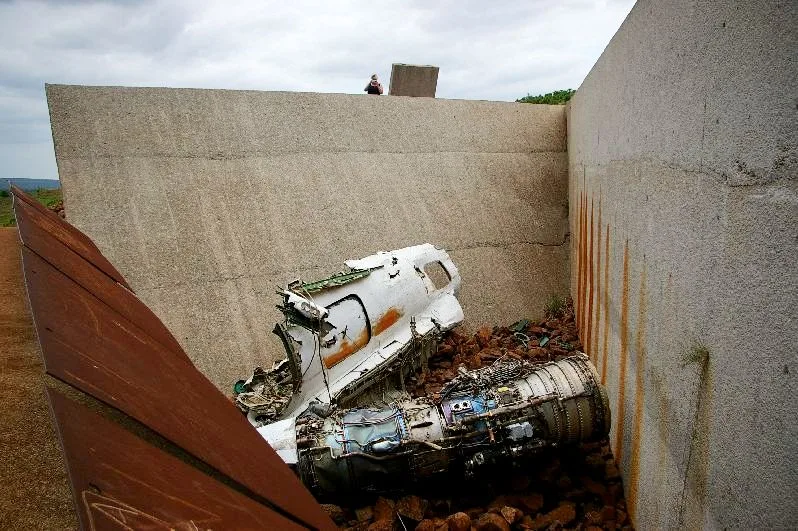
| 1846:19 | ATC | R/OP | GOOD EVENING MAPUTO, CHARLIE NINE ALFA ALFA |
| ATC | AFIS | ----- |
| 1847:55 | ATC | R/OP | MAPUTO CHARLIE NINE CHARLIE ALFA ALFA, GOOD AFTERNOON. |
| 1848:03 | ATC | AFIS | CHARLIE NINE CHARLIE ALFA ALFA, GOOD EVENING, GO AHEAD. |
| 1848:06 | ATC | R/OP | CHARLIE NINE CHARLIE ALFA ALFA, JUST PASSED POINT KURLA LEVEL THREE FIVE ZERO ESTIMATED ABEAM LIMPOPO AT ZERO FIVE NEXT HOUR, ECHO TANGO ALFA MAPUTO ONE NINE TWO FIVE, TOTAL ON BOARD FOUR EIGHT, ENDURANCE AT DEPARTURE ZERO FOUR ZERO ZERO. |
| 1848:33 | ATC | AFIS | ROGER IN CHARLIE NINE CHARLIE ALFA ALFA CONFIRM POSITION LIMPOPO AT ONE NINE, ONE NINE ZERO FIVE. |
| 1848:41 | ATC | R/OP | LIMPOPO AT ONE NINE ZERO FIVE. |
| 1848:46 | ATC | AFIS | CHARLIE NINE CHARLIE ALFA ALFA NO REPORTED TRAFFIC FLIGHT LEVEL THREE FIVE ZERO, NO DELAY EXPECTED FOR ILS APPROACH RUNWAY TWO THREE. |
| 1848:58 | ATC | R/OP | ROGER IN CHARLIE ALFA ALFA MAINTAINING THREE FIVE ZERO TO VICTOR MIKE ALFA, NO DELAY EXPECTED RUNWAY ILS CORRECTION RUNWAY TWO THREE. |
| 1849:08 | ATC | AFIS | AFFIRMATIVE AND COPY THE WEATHER, MAPUTO METEO REPORT ONE EIGHT ZERO ZERO, SURFACE WIND ZERO NINE ZERO, ONE ZERO KNOTS, VISIBILITY MORE THAN TEN KILOMETERS, THREE OCTAS AT ONE, ...... ONE EIGHT ZERO ZERO FEET, FOUR OCTAS NOT DETERMINATED HEIGHT, TEMPERATURE TWO THREE, DEW POINT TWO ZERO, QNH ONE ZERO ONE SIX. |
| 1849:42 | ATC | R/OP | THAT COPIED OK CHARLIE ALFA ALFA QNH ONE ZERO ONE SIX, THANK YOU. |
| 1849:47 | ATC | AFIS | AFFIRMATIVE AND REPORT POSITION LIMPOPO OR LEAVING FLIGHT LEVEL THREE FIVE ZERO. |
| 1849:53 | ATC | R/OP | YES CHARLIE ALFA ALFA, NEXT REPORT LEAVING THREE FIVE ZERO, PLEASE RELAY, NUMBER ONE ON BOARD. |
| 1849:59 | ATC | AFIS | ROGER. |
| 1849:40 | CVR | | .............. |
| 1849:55 | CVR | | .............. |
| 1850:00 | CVR | R/OP | BEIRA INFORMATION CONTINUE WITH MAPUTO. |
| CVR | R/OP | BEIRA C9-CAA AFFIRMATIVE. |
| 1850:20 | CVR | | ASK OLEG |
| 1851:12 | CVR | | .............. |
| CVR | | .............. |
| CVR | | YES |
| 1852:42 | ATC | AFIS | CHARLIE NINER CHARLIE ALFA ALFA, MAPUTO INFORMATION. |
| 1852:46 | ATC | R/OP | GO. |
| ATC | AFIS | ------ |
| 1852:51 | ATC | R/OP | GO AHEAD MAPUTO. |
| 1852:53 | ATC | AFIS | AH CONFIRM YOUR POINT OF DEPARTURE IS LUSAKA. |
| 1852:57 | ATC | R/OP | NEGATIVE. POINT OF DEPARTURE IS MBALA. MIKE BRAVO ALFA LIMA ALFA. |
| 1853:11 | ATC | AFIS | ------ |
| 1851:32 | CVR | NAV | 758.5, 759, 1016, +23, 90° 5-10 KNOTS. |
| CVR | CAPT | -AH? |
| CVR | NAV | 10 KNOTS, LANDING RWY 23. IN 10 MINUTES, 758,5 LANDING AT 20 MINUTES? AT 20 MINUTES? THAT'LL BE OK? |
| 1856:25 | CVR | ENG | CHECK TIME...... |
| CVR | | HERE YOU ARE ....? |
| 1856:37 | CVR | | IT WILL BE SUITABLE? |
| 1858:02 | CVR | | (REMARK ABOUT AIRHOSTESS) |
| 1859:32 | CVR | NAV | ((DME) IT WILL NOT BE THERE) |
| CVR | CAPT | WHY? |
| CVR | NAV | ITS STILL EARLY, ITS STILL 8 MORE MINUTES. |
| CVR | NAV | 121 (7?) |
| CVR | | WHAT'S THIS |
| 1900:39 | CVR | | AH? |
| 1900:51 | CVR | CAPT | RECENTLY I SPOKE TO THE "ANGOLIANS" (COMMENT: SOVIET CREW WORKING IN ANGOLA), ON THE 12TH OUR PEOPLE FLEW TO LENINGRAD AND THEN, HE SAYS, TO MINSK. I SAY "45 DAYS?" "NO", HE SAYS "TWO MONTHS", THAT IS CORRECT - TWO MONTHS. |
| CVR | CAPT | ON THE 12TH. |
| 1901:07 | ATC | AFIS | CHARLIE NINE CHARLIE ALFA ALFA, MAPUTO. |
| 1901:09 | ATC | R/OP | GO AHEAD |
| 1901:12 | ATC | AFIS | ------ |
| 1901:15 | ATC | R/OP | GO AHEAD MAPUTO. |
| 1901:17 | ATC | AFIS | AH CONFIRM AH CAN YOU SPELL THIS NAME OF AH AIRPORT OF DEPARTURE MBALA AND ICAO INDICATOR. |
| 1901:29 | ATC | R/OP | POINT OF DEPARTURE MBALA. DEPARTURE IS ONE SIX THREE SEVEN. |
| 1901:38 | ATC | AFIS | AFFIRMATIVE AND AH YOUR ICAO INDICATOR, ICAO INDICATOR IS FOXTROT LIMA SOMETHING. |
| 1901:49 | CVR | CAPT? | GO ON. |
| 1901:50 | ATC | R/OP | FOXTROT LIMA BRAVO ALFA |
| 1901:54 | ATC | AFIS | ROGER THANK YOU. |
| 1901:58 | ATC | R/OP | CHARLIE NINE CHARLIE ALFA ALFA, NOW TOP OF DESCENT. |
| 1902:02 | ATC | AFIS | CHARLIE NINE CHARLIE ALFA ALFA NO REPORTED TRAFFIC FOR DESCENT, REPORT RUNWAY LIGHTS IN SIGHT OR .... OR REACHING THREE THOUSAND FEET QNH ONE ZERO ONE SEVEN. |
| 1902:16 | ATC | R/OP | ROGER CHARLIE NINE CHARLIE ALFA ALFA NOW LEAVING THREE FIVE ZERO FOR THREE THOUSAND FEET, NEXT REPORT RUNWAY LIGHTS IN SIGHT. LEAVING THREE FIVE ZERO NOW. |
| 1902:28 | ATC | AFIS | ROGER |
| 1903:12 | CVR | NAV | FLIGHT LEVEL ONE HUNDRED. |
| 1903:17 | CVR | | YES |
| 1903:32 | CVR | COPILOT | CUT HERE THE BANDAGE. |
| 1905:02 | CVR | ENG | NO. NO. ILL NOT FORGET. ILL PUT ... AND TAKE STRAIGHT AGAIN. |
| 1905:26 | CVR | CAPT | YOU UNDERSTAND, AND COULD FLY, BUT IT WOULD BE MUCH COMPLAINING DURING THE FLIGHT, EXACTLY (STRONG EXPRESSION) AND THERE WOULD BE COMPLAINING AFTERWARDS AND HE WOULD REPORT TO (STRONG EXPRESSION), TO MODESTOV (STRONG EXPRESSION), THEN YOU REMEMBER WHEN WE FLEW TO |
| CVR | | LUSAKA FOR THE FIRST TIME, WE DID NOT REFUEL AND HE ..... |
| 1905:27 | CVR | COPILOT | AND NOW SIGN IT PLEASE. ITS NOT YOURS? |
| 1906:08 | CVR | CAPT | BUT THAT SALNIKOV OF OURS WAS SO THAT IT WAS DIFFICULT (STRONG EXPRESSION) TO FLY ABROAD WITH HIM, WE FLY FROM MILAN WITH NOCKOLAI EFIMOVICH, DETACHMENT COMMANDER, 76 PASSENGERS 11 FUEL, "WHAT ARE YOU DOING?!!!!" NICKOLAI EFIMOVICH KEEPS QUIET (STRONG EXPRESSION). ON THE FOLLOWING DAY NICKOLAI EFIMOVICH COMES UP TO ME IN ADP (COMMENT: AERODROME DISPATCH POINT), I WENT THERE FOR THE DEPARTURE, KAZBEK REFUSED TO SIGN OUR DOCUMENTS, "I", SAYS HE, "AM NOT A CRIMINAL", "I", SAYS HE, "WILL NOT GO TO PRISON BECAUSE OF YOU", WE ARRIVED WITH THE REMAINING SOME 2700, 2600. HE SAYS, "HE IS NOW IN THE FLIGHT PLANNING ROOM, GO THERE, ONLY", SAYS HE "DON'T SHOUT AT HIM". I'M COMING AND I SAY : "KAZBEK! WHAT IS THE MATTER.... WHAT IS THE MATTER !!" HE BEGINS, BUT CALMLY, HE KNOWS THAT I (STRONG EXPRESSION) IF HE GOES FOR ME I WOULD ALSO STRAIGHT AWAY, HE IS CALM AND I SAY "KAZBEK! STOP TALKING RUBBISH, HE IS A DETACHMENT COMMANDER, ISN'T HE, AREN'T YOU ASHAMED?" "NO, NO, NO, NO, NO! AND LET ORESNIYI SIGN IT FOR YOU". I SAY "OK! NO PROBLEM". I AM COMING TO SERGEEVICH AND SAY: "WHAT! (STRONG EXPRESSION)! A FOOL!" (STRONG EXPRESSION)! I HAD TO TAKE THE FLIGHT FOLDER MYSELF IN THE FLIGHT PLANNING ROOM AND SIGN IT AT ZNA (COMMENT: DEPUTY CHIEF OF THE DEPARTMENT). |
| 1907:28 | CVR | CAPT | HE THINKS THAT IT IS NOT ENOUGH? |
| 1907:36 | CVR | CAPT | AND HE SAT ALL THE TIME WORRYING "AND SO .... WE SHALL SEE OVER WARSAW! IF THE REMAINING IS LESS THAN SEVEN! IT WILL BE NECESSARY TO LAND IN WARSAW". WE ARE APPROACHING WARSAW! SOME 6400, INDEED IT IS NECESSARY TO LAND. HE IS WORRYING AGAIN. I SAY: "SO KAZBEK! CALM DOWN, STOP IT, STILL ONE HOUR TWENTY OF FLYING, AND HERE WE HAVE NOW MORE, ONE HOUR FORTY FIVE EVEN". BUT THAT MODESTOV ALSO (STRONG EXPRESSION), WHEN, DO YOU REMBER, WHEN IN PEMBA, (STRONG EXPRESSION), IN THAT (STRONG EXPRESSION), AND THE SITUATION IS SO.... YOU FLY FOR SURE, (STRONG EXPRESSION), WEATHER, YOU KNOW, IS BECOMING, (STRONG EXPRESSION) HERE, OR WE CRIMINALS OR WHAT? OR ARE WE WHISKEY (STRONG EXPRESSION) BOOSERS?! |
| 1909:12 | CVR | CAPT | LOOK! IT DOES NOT LIGHT UP FOR THE DESCENT (COMMENT: REFERENCE TO LOW FUEL WARNING LIGHT BEING INACCURATE DURING THE DESCENT) (STRONG EXPRESSION), WHAT? |
| 1909:16 | CVR | NAV | DISTANCE 120. |
| 1909:38 | CVR | | THIS (?) CAN BE SOLD, TRANSMITTED TOO, (STRONG EXPRESSION). |
| 1910:48 | CVR | NAV | 100KM. |
| CVR | ENG | ... (EXCLAMATION) |
| 1911:03 | CVR | CAPT | I WILL REDUCE THE RIGHT ONE (REFERENCE TO THE RIGHT ENGINE ). |
| 1911:28 | CVR | CAPT | (STRONG EXPRESSION)(STRONG EXPRESSION) MAKING SOME TURNS (COMMENT: REFERENCE TO THE AIRCRAFT TURNING) COULDN'T IT BE STRAIGHT? |
| 1911:32 | CVR | NAV | ....VOR INDICATES THAT WAY. |
| 1911:48 | CVR | CAPT | HAVE YOU TAKEN AWAY THE PEN, TOLIK? |
| CVR | R/OP | HAVE YOU TAKEN AWAY? |
| 1912:08 | CVR | CAPT | VOVA, HAVE YOU GOT A PEN HANDY? I HAVE TAKEN AWAY EVERYTHING. |
| 1912:23 | CVR | CAPT | THANK YOU (IN PORTUGUESE) |
| 1912:25 | CVR | ENG | OK |
| CVR | | NOTE: A SENTENCE WAS PROBABLY LOST HERE DURING REWINDING OF THE TAPE. |
| CVR | NAV | UP TO THE APPROACH THEY SHOULD BE WORKING |
| CVR | | THE PERSON ON THE RIGHT IS DRIVING. |
| 1912:48 | CVR | ENG | THREE BEERS AND ONE COKE, HERE |
| CVR | CAPT | THREE BEER YES, VOVA? |
| CVR | ENG | YES AND ONE COKE EACH |
| CVR | CAPT | ALL RIGHT |
| 1912:51 | CVR | COPILOT | AND WHY THOSE TWO ARE LIT AND THESE TWO ARE NOT (COMMENT: REFERENCE TO THE VOR LIGHTS ON CENTRE PANEL). |
| 1912:58 | CVR | NAV | DISTANCE IS 80. |
| CVR | COPILOT | THEY SHOULD BE LIT, IS THAT NOT SO? |
| 1913:05 | CVR | CAPT | DO WE ALWAYS HAVE IT LIKE THAT? |
| CVR | | ....THE REASON .... (?) |
| 1914:08 | CVR | CAPT | WILL YOU TAKE IT OR NOT? |
| 1914:16 | CVR | | BASICALLY ON THE FEET. |
| 1914:57 | CVR | NAV | 60 KN |
| 1915:01 | CVR | CAPT | WHAT? WON'T WE LAND AT 20? |
| CVR | | MAYBE (?) |
| 1915:05 | CVR | CAPT | Y-E-E-S!! |
| 1915:10 | CVR | ENG | EARLIER WE WERE SORT OF ONE MINUTE AHEAD(?) |
| 1915:12 | CVR | CAPT | YES, NOW IS 1443. |
| 1915:21 | CVR | NAV | MINE IS 14 NOW .... (?) |
| 1915:24 | CVR | CAPT | 1445, WELL, 15 MINUTES, LET IT BE ... (?) |
| CVR | CAPT | HOW MANY IS IT LEFT? |
| 1915:30 | CVR | NAV | 60 KM |
| CVR | CAPT | 5 MINUTES |
| CVR | CAPT | WILL YOU TAKE IT, NO VOVA, LATER? |
| CVR | ENG | TWO FOR EACH, OR WHAT? |
| CVR | CAPT | NO, THREE BEERS AND ONE COKE EACH, THEY BROUGHT EQUALLY FOR EACH (?) |
| 1916:37 | CVR | ENG | THREE BEERS AND ONE COKE EACH. |
| 1916:43 | CVR | CAPT | WELL |
| 1916:58 | CVR | CAPT | VOLODYA, IT IS NECESSARY TO TELL THEM ABOUT RV (COMMENT: REFERENCE TO RADIO ALTIMETER UNSERVICEABILITY) |
| 1917:02 | CVR | R/OP | SAY IT, SAY, IT IS NOT FOR THE FIRST TIME |
| CVR | CAPT | BECAUSE THEY WRITE, (STRONG EXPRESSION), ANY (STRONG EXPRESSION), (STRONG EXPRESSION). |
| 1917:21 | CVR | CAPT | (STRONG EXPRESSION), THERE IS NO MAPUTO? |
| CVR | COPILOT | WHAT? |
| 1917:27 | CVR | CAPT | THERE IS NO MAPUTO |
| 1917:31 | CVR | CAPT | ELECTRICAL POWER IS OFF, CHAPS! |
| 1917:36 | CVR | COPILOT | THERE TO THE RIGHT, IT IS LIT (?) |
| 1917:42 | CVR | NAV | THERE IS SOMETHING I DON'T UNDERSTAND AHH ... |
| 1917:45 | CVR | CAPT | NO THERE IS SOMETHING .... (?) |
| 1917:49 | CVR | NAV | ILS SWITCHED OFF AND DME! |
| 1917:51 | CVR | CAPT | EVERYTHING SWITCHED OFF, LOOK, CHAPS! |
| 1917:57 | CVR | NAV | AND NDBs DO NOT WORK! |
| CVR | CAPT | CHAPS! |
| 1918:04 | CVR | NAV | YES, YES, EVERYTHING SWITCHED OFF - ILS, DME |
| 1918:09 | CVR | COPILOT | AND THEY DO NOT HAVE ELECTRICAL POWER |
| CVR | NAV | NDBs? |
| CVR | COPILOT | AND THERE TO THE LEFT .... WHAT KIND OF LIGHT IS THERE. |
| CVR | CAPT | THIS IS CORRECT .... SOMETHING STRANGE? |
| CVR | CAPT | WELL, MAKE CONTACT. |
| 1918:11 | CVR | COPILOT | 3000 FEET. |
| CVR | CAPT | TOLYA, 3000 FEET! |
| CVR | R/OP | WHAT? |
| CVR | CAPT | 3000 FEET |
| CVR | CAPT | (STRONG EXPRESSION) |
| 1918:24 | ATC | R/OP | MAPUTO CHARLIE NINE CHARLIE ALFA ALFA |
| CVR | CAPT | ...(INTERJECTION BY CAPTAIN) (STRONG EXPRESSION), KEEP QUIET, CHAPS. |
| ATC | R/OP | ...MAINTAINING THREE THOUSAND FEET |
| 1918:31 | ATC | AFIS | CHARLIE NINER CHARLIE ALFA ALFA ROGER AND CONFIRM YOU HAVE AH FIELD IN SIGHT? |
| 1918:36 | CVR | CAPT | NO! |
| 1918:37 | ATC | R/OP | NOT YET |
| 1918:39 | ATC | AFIS | AND.... RUNWAY LIGHTS NEGATIVE YET? |
| 1918:43 | ATC | R/OP | NOT, NEGATIVE. |
| 1918:44 | CVR | CAPT | (INTERJECTS) NEGATIVE! |
| 1918:46 | CVR | CAPT | (INTERJECTS) ILS NEGATIVE! |
| 1918:46 | ATC | AFIS | ROGER... CHARLIE NINE CHARLIE ALFA ALFA CLEARED ILS APPROACH RUNWAY TWO THREE.... |
| 1918:54 | CVR | CAPT | (INTERJECTS) NOT WORKING. |
| ATC | AFIS | .....TRANSITION LEVEL IS FOUR ZERO, QNH ONE ZERO ONE SEVEN, REPORT ESTABLISHED ON RADIAL ZERO FOUR FIVE. |
| 1918:59 | ATC | R/OP | ROGER CHARLIE NINE ALFA ALFA CONTINUE APPROACH AND ILS OUT OF SERVICE? |
| 1919:06 | CVR | CAPT | AND NDB |
| 1919:07 | ATC | AFIS | AFFIRMATIVE AND AH CLEARED AH ... ... FOR VISUAL APPROACH RUNWAY ZERO FIVE, SURFACE WIND ZERO NINE ZERO, ONE ZERO KNOTS, QNH ONE ZERO ONE SEVEN. |
| 1919:22 | ATC | R/OP | ROGER CHARLIE NINE CHARLIE ALFA ALFA CONTINUE APPROACH. |
| 1919:26 | ATC | AFIS | ----- |
| 1919:30 | CVR | COPILOT | AND HOW MANY APPROXIMATELY? |
| 1919:32 | CVR | NAV | 25-30 KM |
| CVR | COPILOT | 25-30? |
| CVR | CAPT | YES |
| CVR | CAPT | SOMETHING IS WRONG, CHAPS |
| CVR | R/OP | HERE THEY GAVE CLOUD BASE 1800 FEET, AND SO TAKE IT INTO CONSIDERATION |
| CVR | CAPT | IS THIS ALTITUDE, ISN'T IT? |
| CVR | NAV | EIGHT OCTAS? (10/10) |
| 1919:38 | CVR | R/OP | NO, TWO OCTAS (3/10) |
| CVR | NAV | AND SO THIS IS ... |
| CVR | CAPT | IT SHOULD BE LIT... |
| 1919:40 | CVR | CAPT | THERE TO THE RIGHT LIGHTS ARE SEEN |
| CVR | COPILOT | RWY IS NOT LIT ... (?) |
| CVR | CAPT | RWY IS NOT LIT? |
| CVR | CAPT | .... THERE'S A PROBLEM.... (?) |
| 1919:50 | ATC | R/OP | MAPUTO CHARLIE NINE CHARLIE ALFA ALFA, CHECK YOUR RUNWAY LIGHTS. |
| 1919:56 | ATC | AFIS | CHARLIE NINE CHARLIE ALFA ALFA ROGER, CLEARED VISUAL APPROACH RUNWAY ZERO FIVE, JOIN POSITION LEFT DOWN WIND, SURFACE WIND ZERO NINE ZERO, ONE ZERO KNOTS. |
| 1920:01 | CVR | CAPT | I CAN SEE! (INTERJECTION) |
| 1920:06 | ATC | R/OP | ROGER CHARLIE NINE CHARLIE ALFA ALFA, AND WE REQUEST TO JOIN RIGHT DOWN WIND. |
| 1920:13 | ATC | AFIS | CHARLIE NINE CHARLIE ALFA ALFA ROGER, RIGHT DOWN WIND IS APPROVED AND REPORT POSITION RIGHT BASE FOR RUNWAY ZERO FIVE. |
| 1920:18 | CVR | CAPT | WHAT RIGHT?, WAIT, HEADING... 24 [Time handwritten over a struck-through printed time in the source.] |
| 1920:22 | ATC | R/OP | ROGER. CHARLIE ALFA ALFA. |
| 1920:22 | CVR | CAPT | I UNDERSTOOD NOTHING |
| CVR | R/OP | DON'T YOU SEE THE RWY YET? |
| 1920:28 | CVR | CAPT | ..AND WHAT RWY, WHAT ARE YOU TALKING ABOUT? |
| 1920:32 | CVR | NAV | WE ARE GOING TO DO STRAIGHT-IN APPROACH? |
| 1920:35 | CVR | CAPT | WE ARE DOING STRAIGHT-IN APPROACH |
| 1920:38 | CVR | R/OP | NO, WELL, CAN YOU SEE THE RWY? |
| CVR | COPILOT | NO, THERE'S NOTHING, THERE'S NEITHER CITY NOR RWY |
| CVR | R/OP | AND SO HE SAYS THAT ... |
| CVR | CAPT | .... HE SAYS .... |
| CVR | COPILOT | WHAT DOES HE SAY? |
| CVR | R/OP | I ASKED TO CHECK THE RWY |
| CVR | CAPT | I DON'T UNDERSTAND WHAT HE'S SAYING...? |
| CVR | CAPT | NOTHING CAN BE SEEN, CHAPS... |
| CVR | COPILOT | TELL HIM ONCE MORE TO CHECK THE LIGHTS. |
| CVR | CAPT | SO NO, SURELY IT IS INDEED CLOUDY TO DESCEND. |
| 1920:54 | CVR | NAV | SOME 18-20 KILOMETERS LEFT |
| 1920:57 | ATC | R/OP | MAPUTO CHARLIE NINE CHARLIE ALFA ALFA, CHECK AGAIN RUNWAY LIGHTS |
| 1921:02 | CVR | | (COMMENT: DURING THE TRANSMITION OF THE RADIO OPERATOR'S INFORMATION AN ALARM SYSTEM SOUNDED:NAMELY THE SSOS - TERRAIN PROXIMITY WARNING SYSTEM) |
| 1921:05 | ATC | AFIS | ROGER, YOU ARE CLEARED TO VISUAL APPROACH RUNWAY ZERO FIVE JOIN RIGHT DOWN WIND AND REPORT POSITION RIGHT BASE. |
| 1921:12 | CVR | CAPT | DAMN IT! |
| 1921:17 | ATC | R/OP | CHARLIE NINE CHARLIE ALFA ALFA RUNWAY LIGHTS OUT OF SERVICE? |
| 1921:17 | CVR | CAPT | NO, IT'S CLOUDY, CLOUDY, CLOUDY |
| 1921:18 | ATC | AFIS | ...FIRM, RUNWAY LIGHT OUT OF SERVICE? |
| 1921:22 | ATC | R/OP | AFFIRMATIVE, LIGHTS NOT IN SIGHT. |
| 1921:27 | ATC | AFIS | AFFIRMATIVE AND JOIN RIGHT DOWN WIND RUNWAY ZERO FIVE, SURFACE WIND ZERO NINE ZERO, ONE ZERO KNOTS. |
| CVR | CAPT | (INTERJECTION) NO! NORMAL! |
| 1921:32 | CVR | | ALARM STOPS |
| 1921:34 | ATC | R/OP | ROGER ROGER |
| 1921:36 | CVR | NAV | NO, NO, THERE'S NOWHERE TO GO, NO NDBs, THERE'S NOTHING |
| CVR | CAPT | NEITHER NDBs NOR ILS |
| 1921:39 | CVR | | IMPACT IS REGISTERED BY ONE HALF SECOND OF SILENCE. |
| 1924:10 | ATC | AFIS | CHARLIE NINE CHARLIE ALPHA ALPHA REQUEST YOUR POSITION |
| CVR | | NOTE: TRANSMISSIONS BY AFIS CONTINUE PERIODICALLY UNTIL MOCAMBIQUE FLIGHT TM103, A BOEING 737 FROM BEIRA, MAKES CONTACT. |
| 1937:17 | ATC | TM103 | MAPUTO APPROACH MOCAMBIQUE 103 127,3 |
| 1937:20 | ATC | AFIS | 103 MAPUTO, GO AHEAD |
| 1937:37 | ATC | AFIS | MOCAMBIQUE 103, GO AHEAD |
| 1937:49 | ATC | AFIS | MOCAMBIQUE 103, MAPUTO APPROACH, GO AHEAD |
| 1938:02 | ATC | AFIS | MOCAMBIQUE 103, MAPUTO APPROACH, GO AHEAD |
| 1938:07 | ATC | TM 103 | .... FINE MOCAMBIQUE 103 AAH MAINTAINING FL310 ESTIMATING LIMPOPO POINT 54 ARRIVAL SHOULD BE AT 2010 WE AH PLEASE REQUEST YOUR LAST WEATHER BREAK AAH WILL YOU PLEASE CONFIRM IF THE AIRPORT IS ABOUT TO CLOSE OR ARE YOU OPEN? |
| 1938:38 | ATC | AFIS | MOCAMBIQUE 103 AAH THE FIRST THING YOU ARE GOING TO DO IS TO CONTACT C9-CAA, I LOST CONTACT WITH HIM |
| 1938:49 | ATC | TM 103 | ROGER. WE ARE ABOUT AH ARRIVAL C9-CAA WILL BE ABOUT 1925 ... CONFIRM YOU ARE NOT YET CONTACTED? |
| 1939:03 | ATC | AFIS | AFFIRMATIVE. I HAD CONTACT WITH HIM AND I LOST AH WHEN AH ... WHEN I CLEARED HIM TO .. TO VISUAL APPROACH RIGHT DOWNWIND AND I LOST CONTACT WITH HIM. |
| 1939:18 | ATC | TM 103 | AH ROGER. STANDBY ONE PLEASE. |
| 1939:37 | ATC | TM 103 | AH ROGER WE HAVE COPIED THE WEATHER AH. WE ... FLIGHT LEVEL AND SO ON. |
| 1939:45 | ATC | AFIS | AFFIRMATIVE AND CONTACT ... AH YOU MUST FIRST CALL C9-CAA, C9-CAA. IF YOU HAVE CONTACT WITH HIM |
| 1939:55 | ATC | TM 103 | BREAK C9-BAA FROM MOC 103 ON 127.3 |
| 1940:05 | ATC | AFIS | NEGATIVE! NEGATIVE! IT IS C9-CAA. C9-CAA |
| 1940:12 | ATC | TM 103 | AH ROGER. BREAK C9-A |
| 40:22 | ATC | TM 103 | C9-CAA FROM MOCAMBIQUE 103, 127.3 |
| 1940:32 | ATC | TM 103 | C9-CAA THIS IS MOCAMBIQUE 103 DO YOU READ ME? (ON SECOND FREQUENCY) |
| 1940:46 | ATC | TM 103 | APPROACH 103 WE CALLED THAT AIRCRAFT TWICE WITHOUT REPLY |
| 1940:54 | ATC | AFIS | ROGER |
| 1940:58 | ATC | TM 103 | C9-CAA THIS IS MOCAMBIQUE 103 ON 118 DECIMAL 1. |
| 1941:22 | ATC | AFIS | C9-CAA MAPUTO DO YOU READ? |
| 1945:05 | ATC | TM 103 | MAPUTO, 103 |
| 1945:11 | ATC | AFIS | SOMEBODY SAY AGAIN YOUR CALLSIGN |
| 1945:14 | ATC | TM 103 | MOCAMBIQUE 103, DO YOU HAVE CONTACT WITH CAA? |
| 1945:18 | ATC | AFIS | NEGATIVE AH UNTIL ... AT THIS MOMENT NEGATIVE SIR, I DONT KNOW AH WHAT'S WRONG WITH HIM |
| 1945:25 | ATC | TM 103 | ROGER |
| 1945:44 | ATC | AFIS | MOCAMBIQUE 103, AIRCRAFT WAS A TUPOLEV 34, WAS DESCENDING 3000 FEET AND EH I LOST CONTACT ...WHAT'S YOUR APPROACH? REPORT POSITION LIMPOPO. |
| 1946:03 | ATC | TM 103 | ROGER WE'RE AT FL310 AT THIS MOMENT 1949 FOR LIMPOPO |
| 1946:11 | ATC | AFIS | ROGER REPORT FOR DESCENT |
| 1946:13 | ATC | TM 103 | ROGER |
| 1946:18 | ATC | AFIS | C9-CAA MAPUTO |
| 1946:56 | ATC | TM 103 | MAPUTO APPROACH MOCAMBIQUE 103 |
| 1947:00 | ATC | AFIS | MOCAMBIQUE 103 GO AHEAD |
| 1947:04 | ATC | TM 103 | A - THIS HERE 00 |
| 1947:11 | ATC | AFIS | MOCAMBIQUE 103 AH AIRCRAFT IS A TUPOLEV I DONT KNOW ... YOU MAKE VISUAL CONTACT AND REPORT THAT VISUAL ... STANDBY ONE (VOICES IN BACKGROUND GIVING INSTRUCTIONS) |
| 1947:29 | ATC | TM 103 | AH STANDBY ONE COPIED OUT |
| 1947:42 | ATC | AFIS | MOCAMBIQUE 103, MAINTAIN FLIGHT LEVEL ... DESCEND FL40 OVERHEAD VMA |
| 1947:53 | ATC | TM 103 | ROGER DESCEND FL40 OVER VMA, 103 |
| 1952:41 | ATC | TM 103 | MAPUTO APPROACH MOCAMBIQUE 103 |
| 1952:44 | ATC | AFIS | MOCAMBIQUE 103, GO AHEAD |
| 1952:48 | ATC | TM 103 | WE ARE 1005 FROM MAPUTO WE ARE MAINTAINING 310 FROM ABOUT THE 4 O'CLOCK POSITION AND EH YOUR FURTHER INFORMATION ABOUT THE AIRCRAFT |
| 1953:02 | ATC | AFIS | MOCAMBIQUE 103 UNTIL NOW I HAVE NO FURTHER NEWS ABOUT THE AIRCRAFT. I AM NOT SURE WHAT COULD HAVE HAPPENED. I LOST CONTACT WITH HIM WHEN HE WAS DOING AN APPROACH TO RUNWAY 05, FROM THE RIGHT HAND SIDE |
| 1953:20 | ATC | TM 103 | YOU HAD CONTACT WITH HIM UNTIL 3000 FEET? |
| 1953:25 | ATC | AFIS | AFFIRMATIVE |
| 1953:29 | ATC | TM 103 | OK UUH. MAINTAINING 310 WE ARE REDUCING SPEED NOW, WE ARE (95) MILES FROM MAPUTO. STANDING BY FOR FURTHER INSTRUCTIONS OR DIRECTIVES, MAINTAINING THIS FREQUENCY |
| 1953:49 | ATC | AFIS | OK OK |
| 1956:52 | ATC | TM 103 | MAPUTO APPROACH |
| 1957:49 | ATC | TM 103 | MAPUTO APPROACH, MOCAMBIQUE 103 |
| 1957:54 | ATC | AFIS | MOCAMBIQUE 103, GO AHEAD |
| 1957:57 | ATC | TM 103 | AH ... WE HAVE RECEIVED INFORMATION FROM OUR OPERATIONS, AND WE ARE IN CONTACT WITH YOUR DIRECTOR, TO RETURN BEIRA AIRPORT. WE ARE FLIGHT LEVEL 310, REQUEST 330, AND STAND BY FOR THE ESTIMATES. |
| 1958:23 | ATC | AFIS | ..... |
| 1959:.. | ATC | AFIS | MOCAMBIQUE 103 |
| 2000:34 | ATC | AFIS | MOCAMBIQUE 103 |
| 2020:42 | ATC | AFIS | MOMCAMBIQUE 103, MAPUTO CALLING |
| 2020:54 | ATC | TM 103 | GO AHEAD MAPUTO |
| 20:01:13 | ATC | AFIS | WHAT IS YOUR POSITION NOW? |
| 2001:16 | ATC | TM 103 | 80 MILES FROM MAPUTO, PRACTICALLY OVERHEAD LIMPOPO, REQUEST 330, WE ARE 310. |
| 2001:23 | ATC | AFIS | CONFIRM YOU CONTACTED OPERATIONS? |
| 2001:27 | ATC | TM 103 | AFFIRMATIVE. WE SPOKE TO OPERATIONS, AND IT WAS OPERATIONS THAT ORDERED US TO PROCEED TO BEIRA. |
| 2001:42 | ATC | AFIS | OK, COPIED. WHAT IS YOUR ETA TO BEIRA? |
| 2001:49 | ATC | TM 103 | OK, STAND BY.....ETA BEIRA 040, AND STAND BY FOR FURTHER... |
| 2002:29 | ATC | AFIS | MOCAMBIQUE 103, MAPUTO |
| 2002:32 | ATC | TM 103 | GO AHEAD |
| 2002:38 | ATC | AFIS | CAN YOU TRY AND CALL C9-CAA? |
| 2004:15 | ATC | TM 103 | C9-CAA, C9-CAA, THIS IS MOCAMBIQUE 103, MAPUTO IS CALLING YOU, DO YOU READ? |
| 2004:20 | ATC | TM 103 | IF YOU CONTACT 127.3 AND 118.1 |
| 2004:41 | ATC | TM 103 | MAPUTO APPROACH, MOCAMBIQUE 103, ESTIMATING DAVOR POSITION AT 24, AND BEIRA AT 49. |
| 2004:43 | ATC | AFIS | REPORT 330 |
| ATC | TM 103 | WE ARE NOW 330, MAINTAINING |
| ATC | AFIS | REPORT WHEN YOU CONTACT |
| ATC | TM 103 | AH ... WILL DO |
| ATC | TM 103 | MAPUTO, MOCAMBIQUE 103 |
| ATC | AFIS | MOCAMBIQUE 103, GO AHEAD |
| 2009:12 | ATC | TM 103 | WE ARE IN CONTACT WITH BEIRA |
| 2009:15 | ATC | AFIS | INFORM WHEN YOU ARRIVE. SEE YOU |
| 2009:18 | ATC | TM 103 | SEE YOU. THANK YOU. |