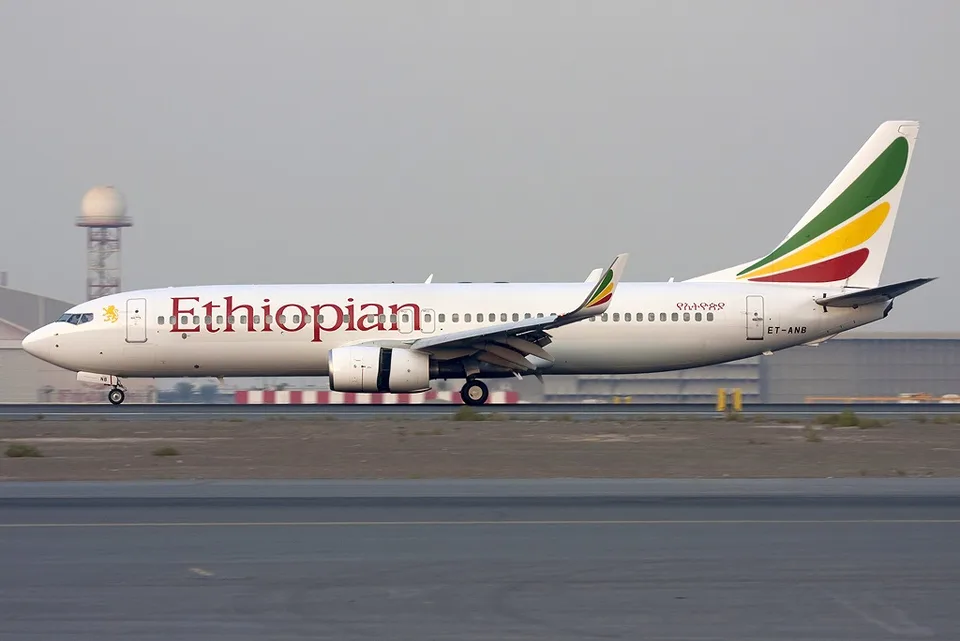
A Boeing 737-800 entered two stalls and a spiral dive after leaving Beirut at night. All 90 people aboard died. Lebanon attributed the loss of control to crew handling; Ethiopian representatives disputed the findings.
Original JPEG used without cropping or retouching. Responsive WebP copies resized without cropping.
Geographic context
Beirut Rafic Hariri International Airport
Wreckage field southwest of Beirut
The flight departed Beirut for Addis Ababa. The wreckage field lay southwest of Beirut in water about 45 metres deep. The markers show the departure airport and the wreckage field. Basemap: Natural Earth, public domain.Read supporting evidence
Flight 409 departed Beirut for Addis Ababa in darkness with thunderstorms near the airport. The aircraft overshot successive assigned headings, developed excessive bank angles and stalled twice before diving into the Mediterranean Sea. Lebanon completed its final investigation report in January 2012.
Read the full incident Follow what happened, from the flight to the investigation findings.
What investigators concluded
The Lebanese investigation found that inconsistent flight control inputs and mismanagement of speed, altitude, headings and attitude caused a loss of control. Failures in crew mutual support and deviation calls hindered timely correction.
Ethiopian 409: the departure, two stalls and final dive
1,663 words / about 8 minutes to read. Based on the investigation records cited below.
A night departure from Beirut
Ethiopian Airlines Flight 409 was a scheduled passenger service from Beirut Rafic Hariri International Airport to Addis Ababa Bole International Airport. On 25 January 2010, Boeing 737-800 ET-ANB carried 90 people: 82 passengers, two pilots, five cabin crew and an in-flight security officer. The flight departed on an instrument flight plan. It took place in darkness, with isolated cumulonimbus clouds and thunderstorms around the airport.
At the airport itself, the surface wind was calm, visibility was eight kilometres and rain was absent at takeoff. Thunderstorms lay southwest and west of the field and near arrival routes. The captain had weather displayed on his navigation screen; the first officer had terrain displayed. Both screens were set to a ten-mile range. The crew received weather information and completed departure preparations and briefings.
The original clearance was a LATEB 1 D departure with an initial climb to 3,000 feet. At 00:35:36 UTC, the tower cleared takeoff from runway 21 and changed the departure to an immediate right turn toward Chekka. The crew read back the clearance. Takeoff thrust was set at 00:36:33. Rotation began at 00:37:08 and the main landing gear left the runway seven seconds later. The landing gear was retracted at 00:37:20.
At 00:37:39, tower instructed Flight 409 to turn right initially to heading 315. The crew acknowledged, and the selected heading changed from 210 to 315 on the mode control panel. As the aircraft climbed, the crew raised the flaps in stages and adjusted the selected speed. At 00:38:17 they contacted Beirut Control passing 2,000 feet and received clearance to climb to flight level 290.
Beirut Control then suggested heading 270 for weather avoidance, offering a clear route for fifteen to twenty miles before proceeding toward Chekka. The aircraft continued its right turn. Bank increased beyond 35 degrees and triggered automatic bank-angle calls. At 00:38:44, a pilot-commanded nose-up trim input increased the stabilizer trim while the control column was being pushed in the nose-down direction. This was the last manual stabilizer trim command recorded during the flight.
The aircraft passed the selected heading of 315 and reached a heading of 003. Control instructed a left turn to heading 270. The crew acknowledged and selected the new heading, but the left turn developed into excessive bank. The recorded bank reached 64 degrees, and five bank-angle calls sounded between 00:39:01 and 00:39:30. The aircraft also continued through the new heading target. Sounds consistent with heavy rain were heard on the cockpit recorder.
At 00:39:40, the captain called for the autopilot to be engaged. The flight data recorder showed that it remained disengaged for the entire flight. The report linked the failed engagement conditions to forces being applied to the flight controls and the aircraft trim state. The first officer continued acknowledging headings and selecting them on the panel while the captain flew manually.
After the aircraft returned toward wings-level flight, its pitch continued increasing and its airspeed decreased. At 00:40:03, the recorded speed had fallen to 141 knots and the stick shaker activated. Two seconds later, pitch reached 38.5 degrees nose up. The warning continued for about 27 seconds. The recorded angle of attack reached 32 degrees on the left sensor and 30 degrees on the right sensor as the aircraft entered a full aerodynamic stall.
During the warning, the captain repeatedly called for a go-around and the first officer acknowledged. The thrust levers were moved forward, brought back slightly and pushed forward again. The autothrottle was disconnected. The aircraft pitched down and its speed began increasing. The stick shaker stopped at 00:40:28, but nose-up column input remained, together with left wheel and right rudder input. Those opposing lateral commands produced a cross-control condition.
The aircraft descended to about 6,000 feet and then began climbing again. As its speed increased beyond 195 knots, the speed trim system commanded nose-up trim, increasing the pitch trim to 9.3 units. When nose-down column pressure was released, pitch increased and speed decreased again. Near 00:40:48, the pilots commented on the falling speed and the captain requested assistance.
At 00:40:56, the stick shaker activated a second time. The aircraft climbed toward 9,000 feet while slowing and rolling left. The warning lasted about 26 seconds. Nose-up column input increased during the developing stall, and further opposing wheel and rudder inputs were recorded. Control continued calling for a right turn to heading 270 and warned that the aircraft was turning toward the mountains. The final response consisted of an open microphone.
At 00:41:14, the aircraft had rolled to a maximum bank of 118.5 degrees left, with its nose 48 degrees below the horizon. Speed was increasing through 228 knots and the aircraft was descending from about 7,370 feet. Over the next ten seconds, pitch reached 63.1 degrees nose down. Large wheel inputs in both directions changed the bank, but the descent continued.
The second stick shaker stopped at 00:41:22 as speed increased through 283 knots. Four seconds later, the cockpit recorder captured the overspeed clacker. The last flight data at 00:41:28 showed 407.5 knots, an altitude of 1,291 feet decreasing rapidly, a nose-down pitch of 32.2 degrees and a left bank of 61.5 degrees. Both engines were recording more than 93 percent N1. The cockpit recording ended with a loud sound just before 00:41:30.
The aircraft struck the Mediterranean Sea about five nautical miles southwest of Beirut airport. The flight had lasted just over four minutes after liftoff. All 90 occupants died. Air traffic control made repeated unanswered calls and activated the emergency response. The tower alerted rescue services at 00:43, and the medical department was notified at 00:45. The investigation found that the impact forces made the accident unsurvivable.
The main wreckage field was about 300 metres long and 100 metres wide, centred at approximately 33 degrees 44.6 minutes north and 35 degrees 24.58 minutes east. Water depth was about 45 metres. About eight percent of the aircraft was recovered during the initial operations. The larger pieces included the tail and aft fuselage. Divers recovered the flight data recorder on 7 February 2010. The cockpit recorder chassis was recovered three days later, and its separated memory unit was found on 16 February.
The recorders were taken to the BEA laboratory in France under investigation custody. The flight data recorder yielded the accident-flight parameters. One cracked cockpit recorder memory chip prevented full recovery of the cockpit area microphone channel, leaving recurring ten-second gaps. A later recovery attempt concluded that the internal chip die was probably cracked and its data could not be retrieved. Air traffic control recordings and radar data provided additional evidence of the flightpath and communications.
Witnesses had described an orange light, an explosion or a ball of fire near the time of the crash. The Lebanese investigation found no physical signs of fire or explosion on the recovered wreckage or the wreckage examined underwater. Examination of soot near the auxiliary power unit exhaust found no heat-related change in the primer paint. The investigators associated the loud final recorder sound with impact and considered aircraft lights and nearby thunderstorm activity as possible explanations for the visual reports.
The aircraft was airworthy when dispatched, and the investigation found no defect or malfunction that contributed to the accident. Its takeoff weight was 70,443 kilograms. For the takeoff conditions, the aircraft flight manual recommended about 6.9 units of stabilizer trim. The load form listed 5.26 units, while the recorder showed about 5.94 units at the beginning of takeoff. The recorded setting was inside the certified takeoff range. Investigators could not determine why the values differed.
The initial trim required the pilot to maintain backward column pressure during the climb. Subsequent trim changes left the aircraft out of trim for much of the flight, increasing workload. The final report identified mismanagement of speed, altitude, headings and attitude through inconsistent control inputs as a probable cause. It also identified failure to apply crew resource management principles of mutual support and deviation calls, preventing timely correction.
The captain had 188 hours as a released captain on the Boeing 737-700/800, acquired over the preceding 51 days. The first officer had 350 hours as a released first officer on type. Their pairing complied with the operator requirements. The report nevertheless considered relative inexperience on type, unfamiliarity with Beirut, night weather and workload as contributing factors. It considered chronic fatigue possible despite compliance with duty limits. It found the captain performance consistent with spatial disorientation and loss of situational awareness, potentially resembling subtle incapacitation, but the evidence was insufficient to determine a physiological explanation.
In Boeing engineering simulator trials, investigators reproduced the flight and interrupted it at eleven stages. Standard recovery techniques restored control in those trials. The investigation also cautioned that the crew psychological circumstances differed from those of the investigators. Realistic reproduction became limited in the final high-speed dive below about 3,000 feet.
Ethiopia participated in the investigation as the state of registry and operator, through its accredited representative and technical advisers. The ECAA and airline representatives disputed the Lebanese conclusions. Differences remained between the Ethiopian party and the other committee members after comments on the draft were discussed. The Ethiopian Civil Aviation Authority submitted comments on the final investigation findings, identified in the report as Appendix Z.
The report recommended that Ethiopian Airlines revise crew resource management training to strengthen first officer assertiveness and leadership during abnormal performance. It also recommended reviewing airport classifications and briefings, crew pairing and scheduling, wording in pilot training records and safety oversight capable of detecting similar performance concerns. The ECAA was asked to ensure implementation of the operator recommendations and to review crew pairing regulations.
ICAO was asked to re-examine international requirements for identifying, training for and reporting subtle incapacitation. Recommendations to Lebanon addressed a systematic accident response, air traffic controller working conditions and administrative and logistical support for investigations. The report also recorded a change to the approach-to-stall recovery procedure after the accident, including lowering the nose before applying thrust. The final report was presented on 17 January 2012.
With the aircraft out of trim, pitch increased and speed decreased into the first stall. Nose-up trim and release of nose-down column pressure contributed to a renewed climb and deceleration.
Left wheel and right rudder inputs produced a cross-control condition during recovery. Further inconsistent inputs accompanied the second stall and increasing left roll.
Bank reached 118.5 degrees left and pitch reached 63.1 degrees nose down. The aircraft accelerated to 407.5 knots in the last flight data record and struck the sea.
00:38:35 to 00:39:30Heading changes and excessive bank
Control suggests heading 270 for weather avoidance. After overshooting heading 315, the aircraft turns left through the new heading and reaches a left bank of 64 degrees.
Left bank reaches 118.5 degrees. The last flight data at 00:41:28 show 407.5 knots and 1,291 feet with a rapid descent. The aircraft strikes the sea around 00:41:30.
Investigators interrupted the reproduced flight at eleven stages and recovered control using standard Boeing techniques. The final report cautioned that realistic simulation ended when the aircraft was below about 3,000 feet in the high-speed final dive.
A cracked memory chip left recurring ten-second gaps in the cockpit area microphone recording. The BEA attempted to recover its data and concluded that the internal die was probably cracked and the data could not be retrieved.
The Lebanese investigation identified inconsistent control inputs and mismanagement of speed, altitude, headings and attitude. It also found that failures in mutual support and deviation calls prevented timely intervention and correction.
The damaged U16 chip left recurring ten-second gaps on the cockpit area microphone channel. The remaining cockpit channels, flight data, radar and controller recordings supported the flight reconstruction.
The Ethiopian CAA and airline representatives disputed the Lebanese conclusions. The final report records remaining differences with the Ethiopian party and identifies the ECAA comments as Appendix Z.
The simulator trials restored control after investigators interrupted the recorded sequence. The report identified limits to realistic simulation in the last seconds of the high-speed dive and recognized the different psychological circumstances of the accident crew.
Actions and recommendations are described at the dates of the cited records. A recommendation is not proof of implementation.
Crew resource management
The final report recommended revising Ethiopian Airlines crew resource management training to strengthen first officer assertiveness and leadership during abnormal performance.
The report recommended reviewing crew pairing and scheduling, pilot training-record wording and the operator safety oversight program. It asked the ECAA to ensure implementation and reconsider crew pairing regulations.
Recommendations to ICAO addressed identification, training and reporting of subtle incapacitation. Recommendations to Lebanon addressed systematic emergency response, controller working conditions and support for accident investigations.
These comparisons connect specific research topics. Shared circumstances do not establish identical causes. Evidence from both investigations is provided below.
Both investigations linked a fatal loss of control to inappropriate control inputs and ineffective monitoring or intervention by the other pilot. Ethiopian 409 involved heading overshoots, two stalls and a spiral dive during manual flight after takeoff. For Atlas Air 3591, the NTSB identified the first officer response to an inadvertent go-around mode activation, spatial disorientation and nose-down inputs during descent, with inadequate intervention by the captain.
Explore the records below for additional context. They open on the publisher's site and are not all included in our report search. Source reuse terms apply.
Kevin Murphy writes the incident accounts on AirlineIncidents.com, out of a long interest in aviation safety and the lessons each investigation leaves behind.
Prepared by
AirlineIncidents editorial desk
Report citation check
Independent expert review
Not completed
Citation checks compare supporting text with the indexed report pages. They do not constitute independent expert review. How these pages are prepared.
Revision history
: Final report presented on 17 January 2012, with flight reconstruction, findings, recommendations and Ethiopian comments.