Causes

In-flight fire in airline accidents

Official investigators identified in-flight fire in 3 of the incidents we cover, from 1983 to 2010. Each account explains how it arose in that case. A shared topic does not mean the same cause.

Last updated

In-flight fire incident summary
DateFlightAircraftLocationFatalitiesReport status
3 September 2010UPS Flight 6Boeing 747-44AFNad Al Sheba military base, Dubai, United Arab Emirates2 crew; 0 passengers; 0 othersLEVEL 3 Final report
11 May 1996ValuJet Flight 592McDonnell Douglas DC-9-32Everglades, about 17 miles northwest of Miami International Airport110 aboard; 0 on the groundLEVEL 3 Final report
2 June 1983Air Canada Flight 797McDonnell Douglas DC-9-32Runway 27L, Greater Cincinnati International Airport, Covington, Kentucky23 passengersLEVEL 3 Final report
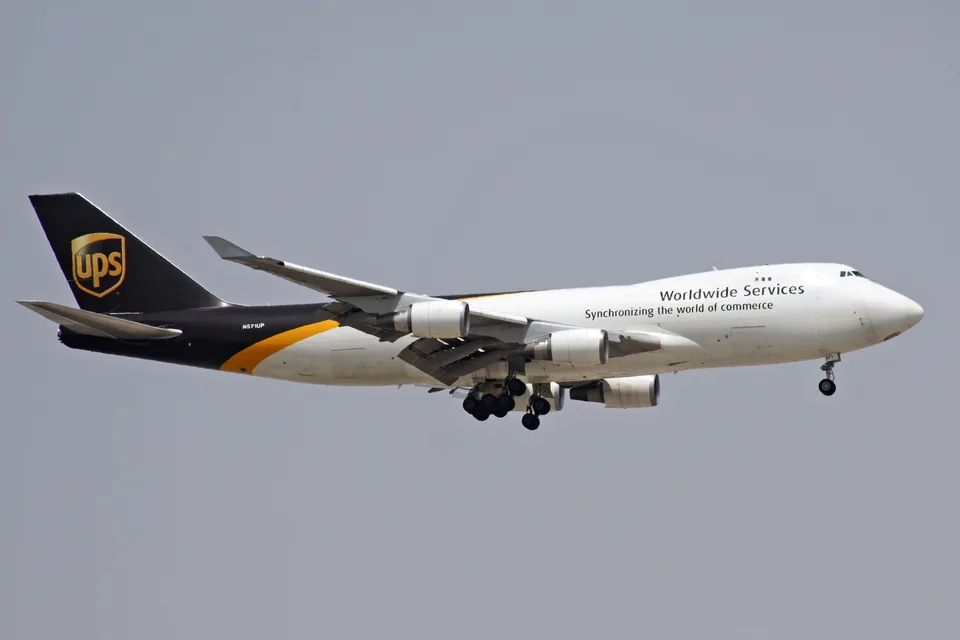
UPS Boeing 747-44AF N571UP airborne with landing gear extended.The incident aircraft: Michael Eaton-Aviation

UPS Flight 6

A main deck cargo fire overwhelmed a UPS Boeing 747 returning to Dubai. Smoke, damaged flight controls and loss of the captain's oxygen supply left the first officer alone in a cockpit he could barely see.

Incident date:

LEVEL 3 Final report
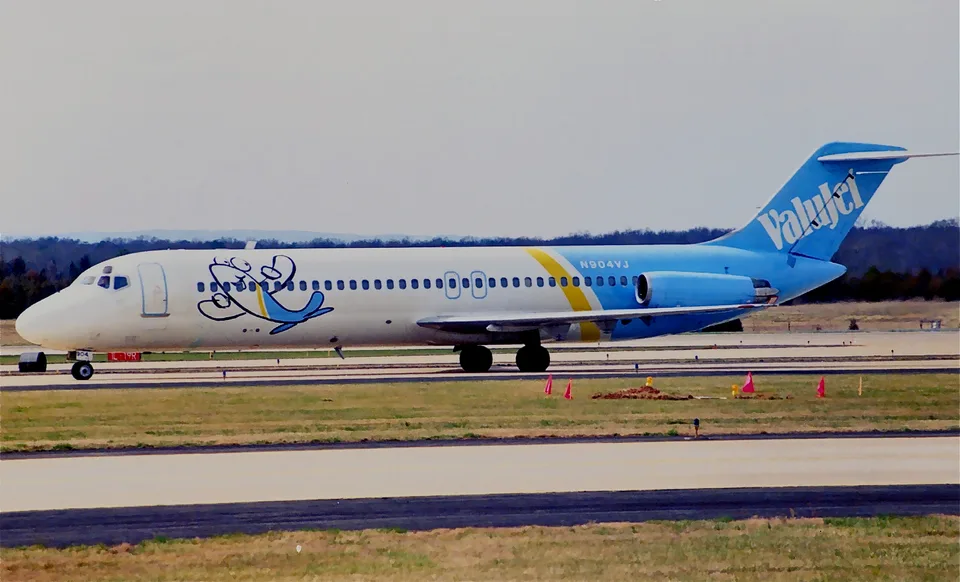
ValuJet DC-9-32 N904VJ on the ground at Washington Dulles in May 1995.N904VJ at Washington Dulles in May 1995: RedRipper24

ValuJet Flight 592

Oxygen generators carried in the forward cargo hold ignited a fire that spread into the DC-9 as its crew tried to return to Miami.

Incident date:

LEVEL 3 Final report

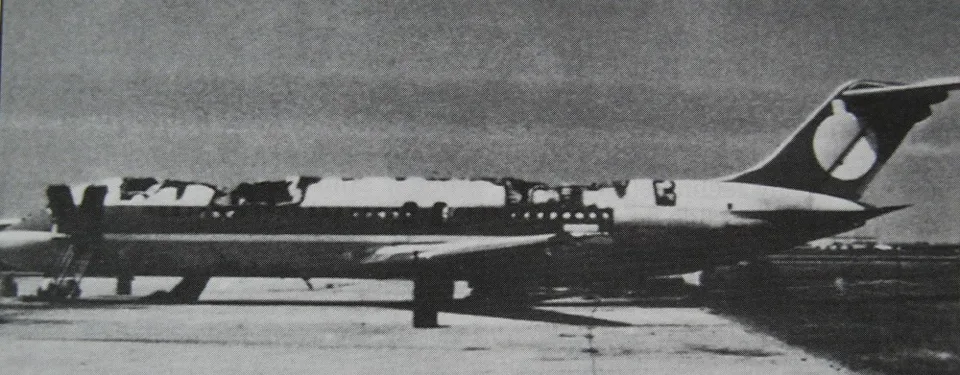
Air Canada DC-9 C-FTLU with extensive fire damage to its upper fuselageC-FTLU after the cabin fire at Greater Cincinnati International Airport: NTSB

Air Canada Flight 797

A concealed lavatory fire filled the DC-9 with smoke. It landed at Cincinnati, where 23 passengers died and 23 occupants escaped before a cabin flashfire.

Incident date:

LEVEL 3 Final report