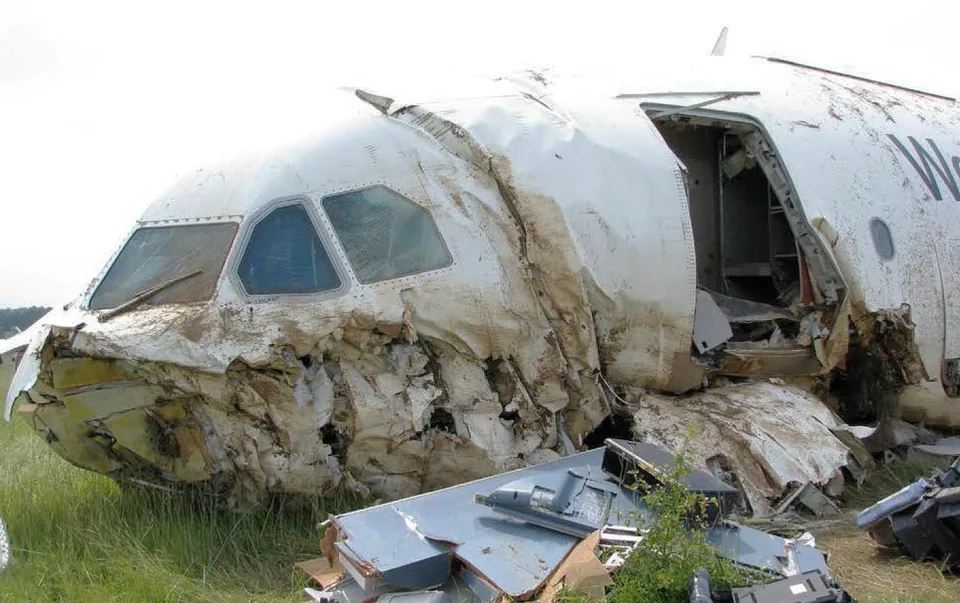
UPS Flight 1354
A UPS Airbus A300 descended below minimum altitude on a nighttime approach to Birmingham and struck trees short of runway 18. Both pilots died.
Incident date:
LEVEL 3 Final report
Causes
Official investigators identified crew communication in 2 of the incidents we cover, from 1983 to 2013. Each account explains how it arose in that case. A shared topic does not mean the same cause.
Last updated
| Date | Flight | Aircraft | Location | Fatalities | Report status |
|---|---|---|---|---|---|
| 14 August 2013 | UPS Flight 1354 | Airbus A300-600F (A300 F4-622R) | North of runway 18, Birmingham-Shuttlesworth International Airport, Alabama | 2 flight crewmembers; 0 people on the ground | LEVEL 3 Final report |
| 2 June 1983 | Air Canada Flight 797 | McDonnell Douglas DC-9-32 | Runway 27L, Greater Cincinnati International Airport, Covington, Kentucky | 23 passengers | LEVEL 3 Final report |
A UPS Airbus A300 descended below minimum altitude on a nighttime approach to Birmingham and struck trees short of runway 18. Both pilots died.
Incident date:
LEVEL 3 Final report
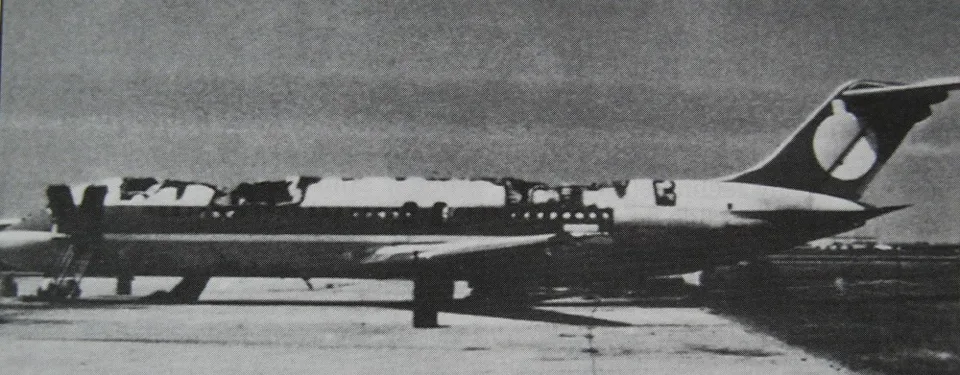
A concealed lavatory fire filled the DC-9 with smoke. It landed at Cincinnati, where 23 passengers died and 23 occupants escaped before a cabin flashfire.
Incident date:
LEVEL 3 Final report