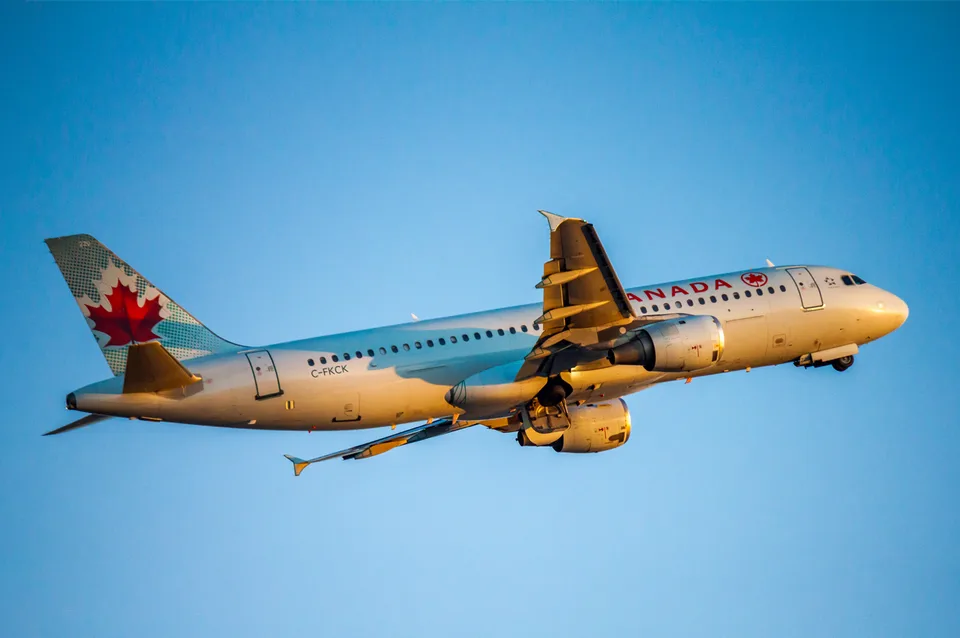
Air Canada Flight 759
An A320 cleared for runway 28R descended over four airliners waiting on taxiway C and escaped a collision through a low-altitude go-around.
Incident date:
LEVEL 3 Final report
Causes
Official investigators identified fatigue in 4 of the incidents we cover, from 1996 to 2017. Each account explains how it arose in that case. A shared topic does not mean the same cause.
Last updated
| Date | Flight | Aircraft | Location | Fatalities | Report status |
|---|---|---|---|---|---|
| 7 July 2017 | Air Canada Flight 759 | Airbus A320-211 | Taxiway C, San Francisco International Airport, California | 0 | LEVEL 3 Final report |
| 14 August 2013 | UPS Flight 1354 | Airbus A300-600F (A300 F4-622R) | North of runway 18, Birmingham-Shuttlesworth International Airport, Alabama | 2 flight crewmembers; 0 people on the ground | LEVEL 3 Final report |
| 24 November 2001 | Crossair 3597 | AVRO 146-RJ100 | Geissbühl, municipality of Bassersdorf, Switzerland | 24: 21 passengers and three crew | LEVEL 3 Final report |
| 6 July 1996 | Delta Air Lines Flight 1288 | McDonnell Douglas MD-88, with Pratt & Whitney JT8D-219 engines | Runway 17, Pensacola Regional Airport, Florida, United States | 2 passengers; 0 crew or people on the ground | LEVEL 3 Final report |
An A320 cleared for runway 28R descended over four airliners waiting on taxiway C and escaped a collision through a low-altitude go-around.
Incident date:
LEVEL 3 Final report
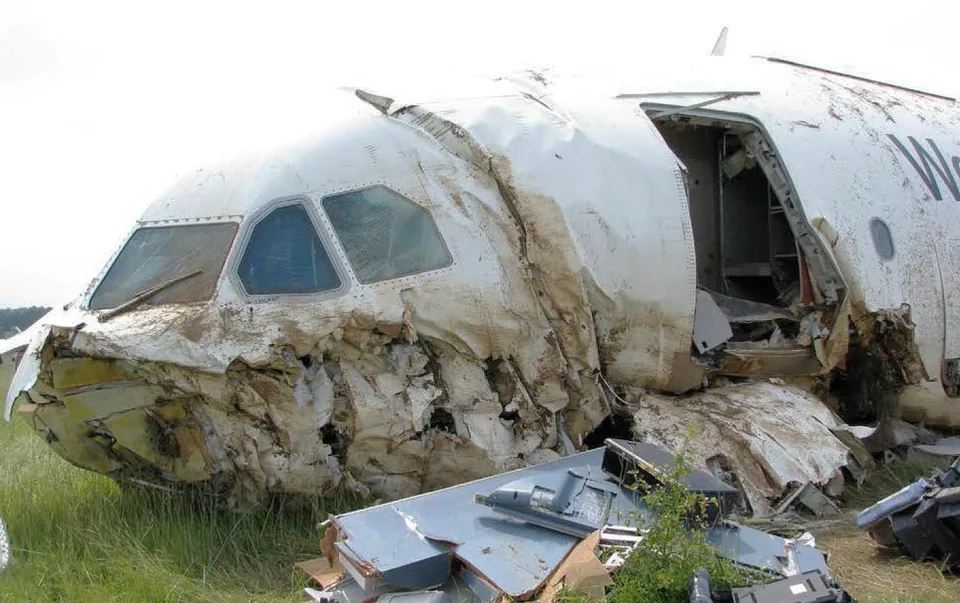
A UPS Airbus A300 descended below minimum altitude on a nighttime approach to Birmingham and struck trees short of runway 18. Both pilots died.
Incident date:
LEVEL 3 Final report
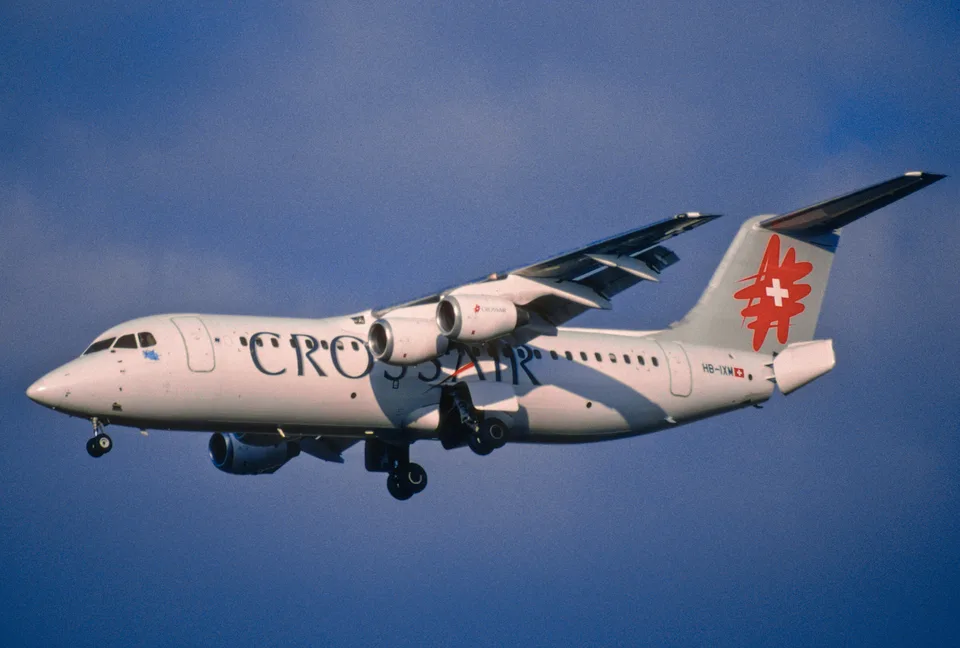
The crew continued below the minimum descent altitude on approach to Zurich and began a go-around two seconds before striking trees.
Incident date:
LEVEL 3 Final report
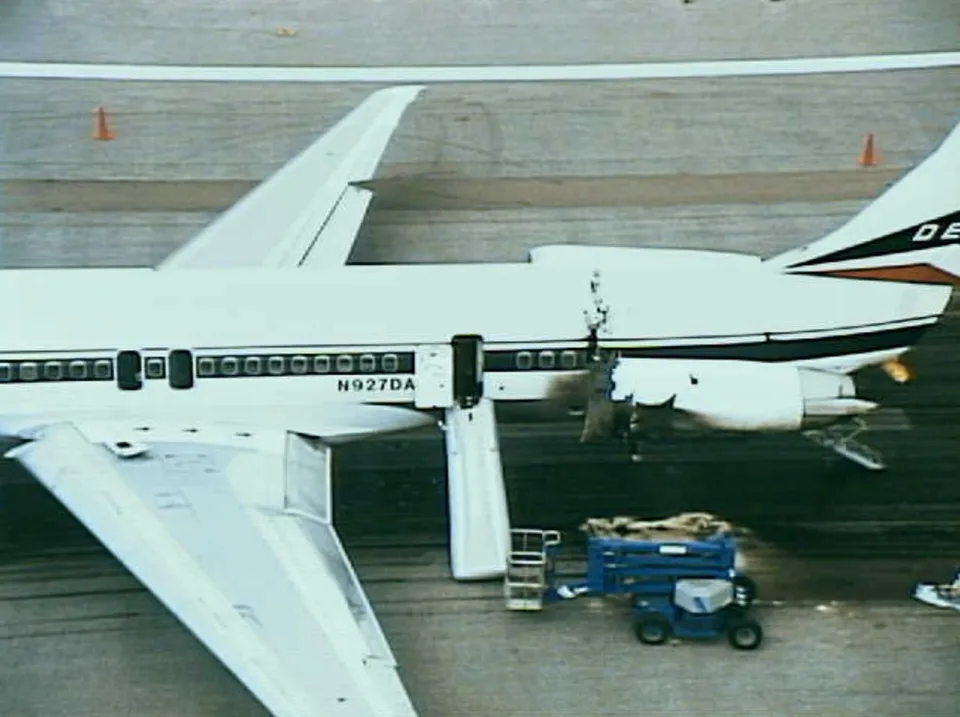
A fractured fan hub sent debris through an MD-88 cabin during takeoff at Pensacola. Two passengers died; the NTSB traced the failure to drilling damage and a missed fatigue crack.
Incident date:
LEVEL 3 Final report