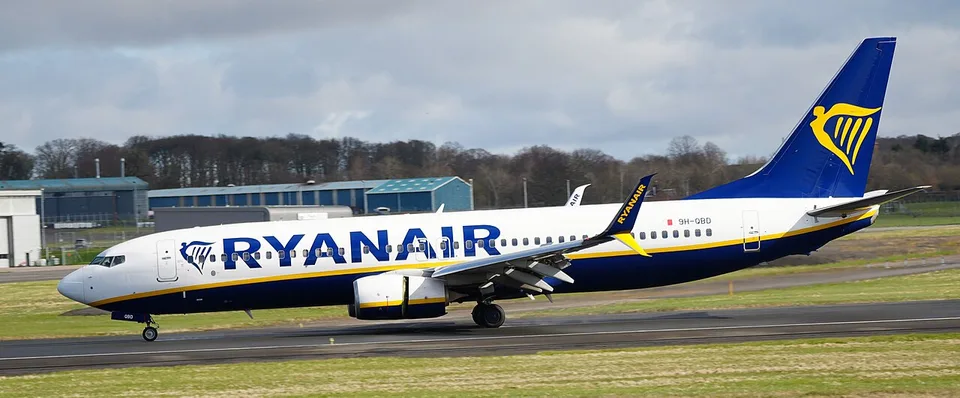
Boeing 737-800 9H-QBD
Three windshear escapes and a refused diversion left a passenger jet landing at Manchester with 363 kg of fuel.
Incident date:
LEVEL 3 Final report
Causes
Official investigators identified windshear in 3 of the incidents we cover, from 1975 to 2025. Each account explains how it arose in that case. A shared topic does not mean the same cause.
Last updated
| Date | Flight | Aircraft | Location | Fatalities | Report status |
|---|---|---|---|---|---|
| 3 October 2025 | Boeing 737-800 9H-QBD | Boeing 737-800 | Prestwick, Edinburgh and Manchester airports | No injuries reported | LEVEL 3 Final report |
| 25 January 1990 | Avianca Flight 52 | Boeing 707-321B | Cove Neck, Long Island, New York, United States | 73 aboard; none on the ground | LEVEL 3 Final report |
| 24 June 1975 | Eastern Air Lines Flight 66 | Boeing 727-225 | Approach to runway 22L and Rockaway Boulevard, Jamaica, New York | 113 eventual deaths | LEVEL 3 Final report |
Three windshear escapes and a refused diversion left a passenger jet landing at Manchester with 363 kg of fuel.
Incident date:
LEVEL 3 Final report
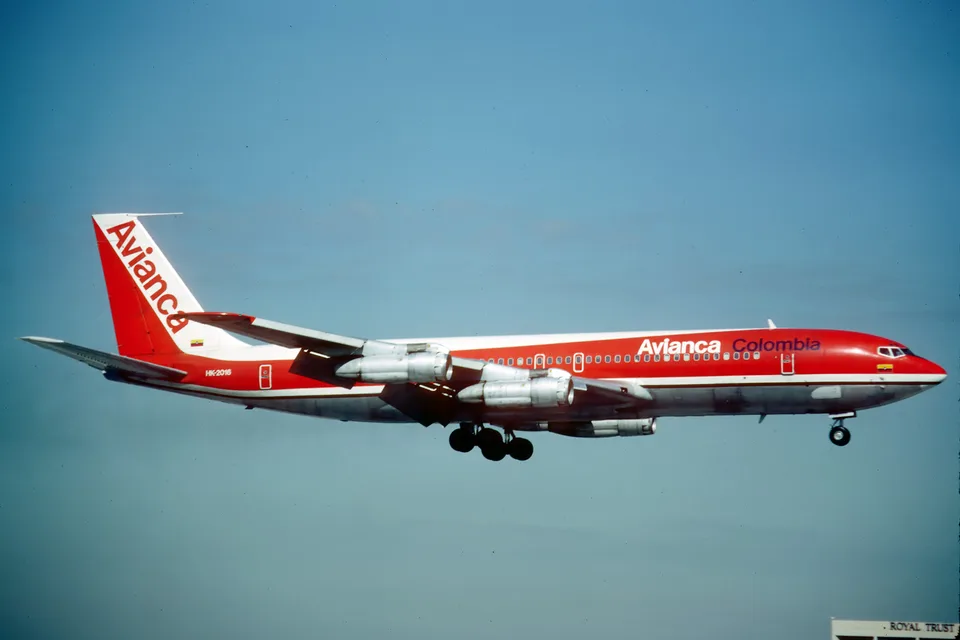
After three holds and a missed approach to New York JFK, Avianca 52 exhausted its fuel and crashed at Cove Neck. Seventy-three of the 158 people aboard died.
Incident date:
LEVEL 3 Final report

Thunderstorm winds drove an Eastern 727 below the glideslope into the approach light towers at Kennedy Airport.
Incident date:
LEVEL 3 Final report